Introduction to Birch Trees
Birch trees, belonging to the Betula genus within the Betulaceae family, are renowned for their striking appearance and diverse characteristics. These deciduous trees are primarily found in temperate and boreal regions of the Northern Hemisphere, making them a common sight across North America, Europe, and Asia. Their beauty not only contributes to their popularity in ornamental landscaping but also highlights their ecological importance in woodland ecosystems.
There are around 60 species of birch trees, with some of the most notable including the Silver Birch (Betula pendula), the River Birch (Betula nigra), and the Yellow Birch (Betula alleghaniensis). Each species presents unique attributes regarding bark texture, leaf shape, and growth habits, contributing to their adaptability in varying climates and soils. For instance, the Silver Birch is characterized by its distinctive white bark which peels in layers, while the River Birch prefers moist, riverine environments and is identifiable by its rugged, salmon-colored bark.
Birch trees play a crucial role in their ecosystems. They provide habitat and food for numerous species of birds, insects, and mammals. Their ability to thrive in poor soils allows them to pioneer new growth in disturbed areas, facilitating succession by improving soil quality for subsequent plant communities. Historically, birch trees have held significant cultural value; indigenous peoples and ancient civilizations utilized birch bark for crafts, shelter, and medicinal purposes. The versatility and utility of birch trees underscore their longstanding relationship with human societies, reflecting a deep-rooted appreciation for this magnificent species.
Physical Characteristics and Growth Patterns
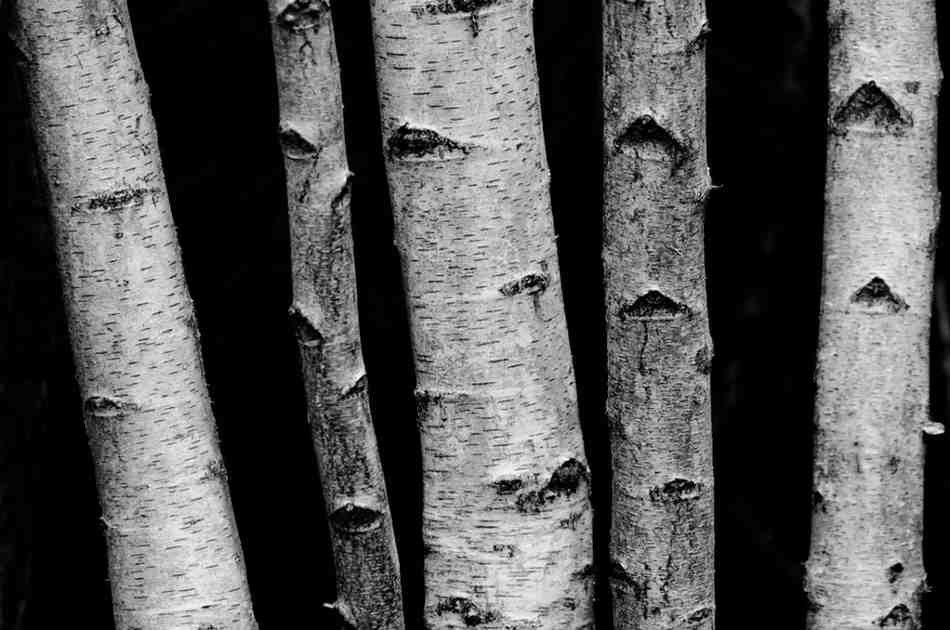
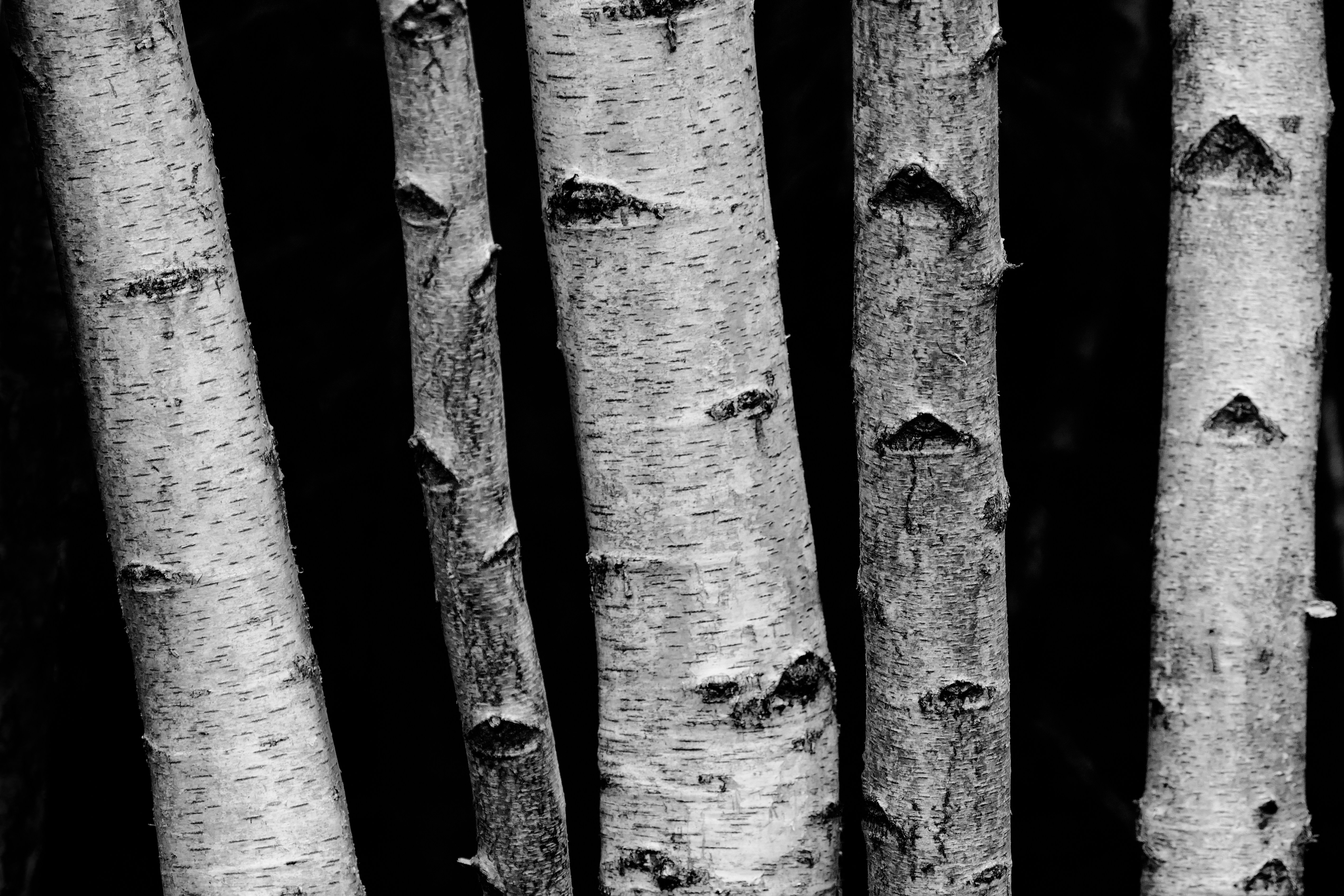
The birch tree, a distinctive and beautiful species, is easily recognizable by its striking white bark that peels in thin, papery layers. This characteristic not only enhances its aesthetic appeal but also serves a protective function, aiding in the tree’s health. Birch trees typically exhibit smooth, silvery-white trunks that can contrast remarkably against their dark green foliage. The leaves of the birch tree are generally triangular or diamond-shaped, with finely serrated edges, contributing to their delicate appearance. Depending on the species, birch trees can vary in height, reaching anywhere from 30 to 70 feet. Some species, such as the paper birch (Betula papyrifera), are known for their impressive stature and graceful form.
In terms of growth patterns, birch trees are classified as fast-growing deciduous trees, often experiencing significant height increase during their early years. Typically, birch trees can grow 13 to 24 inches per year under optimal conditions. Their lifespan can vary, generally ranging from 30 to 50 years, though some species may live even longer under ideal circumstances. Birch trees thrive in diverse environmental conditions, displaying remarkable adaptability. They prefer moist, well-drained soils that are rich in organic matter but can also tolerate drier conditions once established.
For optimal growth, birch trees require abundant sunlight and benefit from regular watering during dry spells. Native to northern regions, they flourish in cooler climates, though they can also be found in temperate zones. It is crucial to monitor soil pH and ensure it remains slightly acidic for healthy birch growth. Overall, with the right conditions and care, birch trees can grow vigorously and provide beauty for generations, establishing themselves firmly in the landscape.
Ecological Importance of Birch Trees
Birch trees, belonging to the genus Betula, play a crucial role in maintaining ecological balance within their environments. One of their primary contributions is their ability to support diverse wildlife. The bark, leaves, and seeds of birch trees serve as food sources for various species, including squirrels, birds, and insects. Particularly, the seeds are a vital food source for finches and other small birds. Additionally, the structural attributes of birch trees offer shelter and nesting sites for numerous animal species, enhancing habitat availability in forested regions.
Furthermore, birch trees are instrumental in improving soil health. Their root systems contribute to soil stabilization, preventing erosion while promoting the movement of nutrients within the soil. Birch trees also engage in a mutualistic relationship with mycorrhizal fungi, which aids in nutrient absorption. The fallen leaves, rich in organic matter, decompose and replenish the soil with essential nutrients, fostering a fertile environment for other plant species to thrive.
Another remarkable feature of birch trees is their ability to improve air quality. Like all trees, birch trees play a vital role in carbon sequestration, helping to mitigate climate change by absorbing carbon dioxide and releasing oxygen. Moreover, their leaves can filter pollutants, further contributing to healthier air quality in urban and rural areas alike. When considered within the context of reforestation and conservation efforts, birch trees offer substantial benefits. Their fast-growing nature makes them suitable candidates for restoration projects, where they can help stabilize ecosystems and promote biodiversity. Overall, the ecological importance of birch trees cannot be overstated, as they provide essential services that enhance the resilience and health of their surrounding environments.
Uses of Birch Trees in Human Life
Birch trees, renowned for their striking appearance and versatile properties, have garnered significant attention in various aspects of human life. Their wood, a soft hardwood, is particularly valued in furniture making and construction due to its reasonable durability and workability. Birch wood is often employed in crafting high-quality furniture, cabinetry, and interior paneling. The fine grain and light color of birch also enhance its appeal, making it a popular choice among artisans and manufacturers alike.
Additionally, birch trees play a crucial role in traditional crafts. The tree’s pliable branches and bark have been utilized for centuries by indigenous cultures, allowing for the creation of woven baskets, mats, and even traditional canoes. The bark of the birch tree, known for its waterproof properties, has particularly been significant in the crafting of containers and roofing, showcasing the tree’s resourcefulness in everyday life.
Moreover, the collection of birch sap is a time-honored practice, especially in regions where these trees thrive. In early spring, when the sap begins to flow, harvesting this natural liquid becomes a rite of passage for many communities. Birch sap is celebrated for its refreshing taste and nutritional value, often consumed raw or transformed into delicious beverages and syrups, thus contributing to local economies.
Aside from these practical applications, birches are often valued for their aesthetic contribution to landscaping and gardening. Their distinctive white bark and graceful canopies provide visual interest across seasons, making them a favored choice among landscape architects and gardening enthusiasts. Consequently, birch trees embody both functional and ornamental qualities, solidifying their place in human culture and industry.