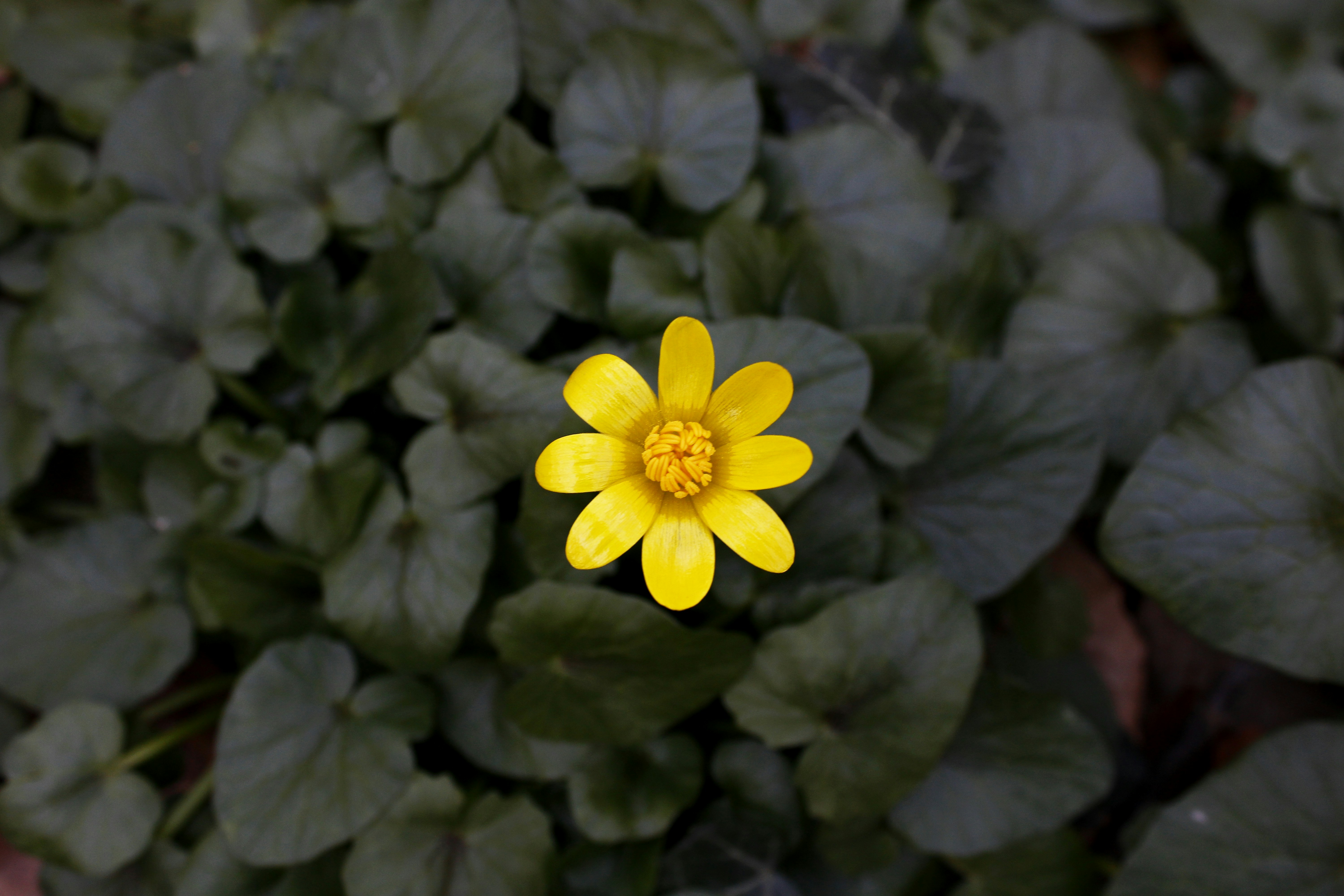
Introduction to Yellow Flowers
Yellow flowers are often admired for their striking and vibrant appearance, providing a splash of warmth and brightness in gardens and landscapes. The color yellow itself is closely associated with attributes such as joy, cheerfulness, and sunlight, evoking feelings of happiness and positivity. There is a wide variety of yellow flowers, each possessing unique characteristics and charm, which contribute to their popularity among gardeners and floral enthusiasts alike.
Some of the most common varieties of yellow flowers include the cheerful daffodil, sunflowers with their towering stature, and marigolds that add a rich golden hue to landscapes. Other notable examples are the yellow tulip, known for its delicate petals and early spring bloom; the vibrant coreopsis, which attracts butterflies and adds a playful touch; and the elegant yellow rose, often symbolizing friendship and joy. Each species has its own cultivation requirements and characteristics, making the selection of yellow flowers as diverse as their meanings.
The significance of yellow flowers transcends mere visual appeal. Culturally, they have been linked to auspicious events, celebrations, and good fortune, making them popular choices for gifting and decorations. Furthermore, their hues are often interpreted as a symbol of positivity and renewal, reflecting nature’s ability to uplift the human spirit. Whether for personal enjoyment or as expressions of sentiments, yellow flowers undeniably play a crucial role in our lives.
Symbolism and Meaning of Yellow Flowers
Yellow flowers have long been celebrated for their vibrant hue and the emotions they elicit. Color symbolism plays a crucial role in how flowers are perceived across various cultures. In general, yellow is often associated with positivity, joy, and enlightenment, making yellow flowers a powerful symbol of happiness and warmth.
In many cultures, yellow flowers signify friendship and platonic relationships. The cheerful color evokes feelings of camaraderie and affection, making them a popular choice for gifting between friends. For example, yellow roses, often overlooked for their red counterparts, are recognized specifically for their expression of friendship and joy. Likewise, yellow daisies embody innocence and youthful joy, further extending the symbolism of friendship.
Additionally, yellow flowers are synonymous with hope and renewal. In cultures around the world, they often symbolize a new beginning or the arrival of better times. Sunflowers, in particular, are significant in this context. Their inclination towards the sun represents admiration and loyalty, while also embodying the essence of growth and prosperity. Similarly, daffodils, which bloom in early spring, carry connotations of rebirth and new opportunities, making them emblematic of hope.
From a spiritual perspective, yellow flowers often serve as reminders to appreciate life’s simple pleasures and to cultivate optimism. Many people believe that the presence of yellow blooms can brighten one’s spirits and promote a sense of well-being. This positivity is not limited to the bloom itself but also extends to the deeper meanings they convey in various traditions, reinforcing the idea that yellow flowers are truly gifts of nature that inspire happiness and connection.
Popular Yellow Flower Varieties
Yellow flowers are celebrated for their vibrant hues and uplifting presence in gardens and floral arrangements. Among the most popular yellow flower varieties are marigolds, black-eyed Susans, and daffodils. Each of these blooms offers unique characteristics and care requirements, making them ideal choices for gardeners at all levels.
Marigolds are particularly favored for their bright, cheerful blossoms that range from golden yellow to deep orange. They are known for their resilience and can thrive in various soil types, though they prefer well-drained soil enriched with organic matter. Marigolds are best grown in full sun, and their ability to deter pests makes them a valuable addition to vegetable gardens. These flowers bloom profusely from spring through fall, providing color for the entire growing season.
Black-eyed Susans, or Rudbeckia, are perennials that produce stunning yellow petals surrounding a dark brown center. They are hardy blooms that flourish in full sun and tolerate drought conditions, making them low maintenance. This flower’s attractive appearance not only enhances garden landscapes but also attracts pollinators such as bees and butterflies, contributing to biodiversity. Black-eyed Susans prefer well-drained soil and can easily spread, so it is advisable to monitor their growth closely.
Daffodils, recognized for their trumpet-shaped flowers, are often associated with early spring. These bulbs are easy to plant and require little care once established. Daffodils prefer fertile, well-drained soil and can thrive in both full sun and partial shade. Their bright yellow blooms signal the end of winter and the onset of a new growing season, making them a cherished symbol of renewal. Planting daffodil bulbs in clusters can enhance their visual impact and create stunning displays in any garden.
Incorporating these popular yellow flower varieties into your garden can enhance not only its aesthetics but also its ecological health. By providing the appropriate conditions for each flower type, gardeners can enjoy a plethora of vibrant blooms that bring joy and warmth to any outdoor space.
Caring for Yellow Flowers in Your Garden
Yellow flowers can not only brighten your garden but also attract pollinators, enhancing the overall ecosystem. To ensure these vibrant blooms thrive, attention to their specific care requirements is essential. First and foremost, the soil plays a crucial role in the health of yellow flowers. Most yellow flowering plants prefer well-drained soil enriched with organic matter. A soil pH of around 6.0 to 7.0 is often ideal for these plants. Incorporating compost or well-rotted manure at the time of planting can provide the necessary nutrients and improve drainage.
Watering is another critical aspect of yellow flower care. While these flowers generally prefer moist conditions, it is essential to avoid waterlogging. A consistent watering schedule, especially during dry spells, will help maintain healthy growth. It is advisable to water the plants early in the morning or late in the afternoon to minimize evaporation and reduce the risk of fungal infections.
Pest control should also be considered when caring for yellow flowering plants. Regularly inspecting the plants for common pests like aphids or spider mites can help manage infestations early. Employing natural pest control methods—such as introducing beneficial insects or utilizing insecticidal soap—can minimize chemical intervention. Furthermore, practicing crop rotation and maintaining garden hygiene can reduce the likelihood of pest issues.
Seasonal care tips are equally important. Providing mulch around the base of yellow flowers can help retain moisture and suppress weeds during the growing season. As fall approaches, it is advisable to cut back any dead foliage and prepare the flowers for winter dormancy. Pairing yellow flowers with complementary plants, such as blue or purple flowers, can create striking visual contrasts in your garden, enhancing its beauty. Thoughtful arrangement and seasonal care will ensure your garden remains a vibrant display of yellow blooms.