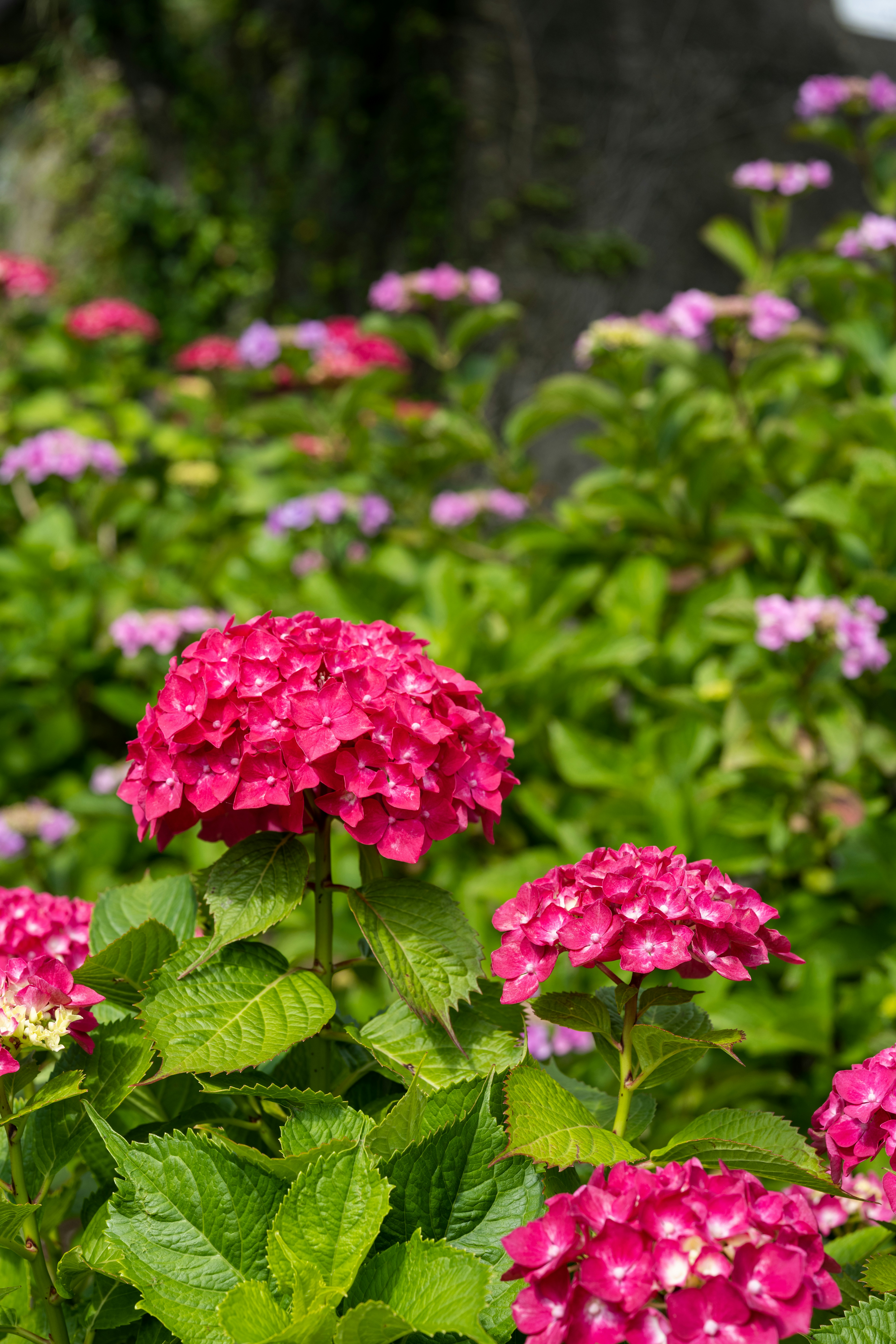
Introduction to Hydrangea Trees
Hydrangea trees, commonly referred to as Hydrangea paniculata or panical hydrangeas, are cherished for their magnificent blooms and versatility in various gardening environments. As deciduous shrubs or small trees, they can reach heights of 8 to 15 feet, making them a fantastic choice for landscapes that require a dramatic focal point or lush greenery. These trees are characterized by their large, cone-shaped flower clusters which appear in an array of colors, including white, pink, and blue. Their impressive floral displays typically bloom from mid-summer to fall, enhancing gardens with stunning aesthetics throughout the growing season.
A significant aspect of hydrangea trees is their adaptability to different soil compositions and climatic conditions. They thrive in well-drained soil and can tolerate a range of pH levels, allowing them to flourish in various garden settings. This remarkable flexibility not only contributes to their popularity among gardening enthusiasts but also makes them suitable for urban environments. Additionally, hydrangea trees display an appealing foliage that transitions beautifully throughout the seasons, with leafy greens in spring and summer, and stunning autumn hues as the temperature drops.
There are several types of hydrangea trees available, each offering distinct traits and visual appeals. The most notable are the ‘Limelight’ hydrangea, recognized for its large, lime-green blooms that turn pink in fall, and the ‘Quick Fire’ hydrangea, known for its early blooming cycle. These varieties, among others, have contributed to the growing popularity of hydrangea trees in landscaping. As more homeowners seek to create elegant, low-maintenance gardens, hydrangea trees stand out as ideal choices for adding beauty, color, and a touch of sophistication to any outdoor space.
Types of Hydrangea Trees
Hydrangea trees, belonging to the family Hydrangeaceae, include several species and varieties that showcase unique features, making them a delightful addition to any garden. Among the most notable types are Hydrangea paniculata and Hydrangea arborescens.
Hydrangea paniculata, commonly known as panicled hydrangea, is recognized for its cone-shaped flower clusters that bloom in late summer to early fall. This variety is particularly popular for its hardiness and ability to thrive in various soil conditions, including clay or loamy soils. Panicled hydrangeas prefer full sun to partial shade, and their flowers can range in color from creamy white to deep pink, often changing hues as they age. These plants typically reach heights of 8 to 10 feet if left unpruned, making them suitable for garden focal points or specimen planting.
On the other hand, Hydrangea arborescens, known as smooth hydrangea, is celebrated for its rounded flower heads and lush green foliage. The blossoms appear in large clusters known as inflorescences, which are usually white, though some cultivars produce pink or green blooms. This type of hydrangea flourishes in partial shade and prefers rich, well-drained soil. Smooth hydrangeas are generally more compact, growing to about 3 to 5 feet tall, making them ideal for borders or as foundation plantings in smaller gardens.
Other noteworthy varieties include Hydrangea macrophylla, or bigleaf hydrangea, which features large, round flowers that can be blue or pink depending on soil pH, and Hydrangea quercifolia, known as oakleaf hydrangea, which is appreciated for its unique foliage resembling oak leaves and stunning autumn color. Understanding the specific growth requirements and characteristics of each hydrangea variety can significantly enhance the gardening experience.
Ideal Growing Conditions
Hydrangea trees, renowned for their stunning blooms and lush foliage, thrive best when their specific environmental requirements are met. Understanding their ideal growing conditions is crucial for promoting healthy growth and vibrant flowers.
Firstly, sunlight plays a significant role in the development of hydrangeas. These trees prefer partial shade to full sun, typically requiring at least four to six hours of sunlight daily. However, in hotter climates, some respite from the intense afternoon sun can help prevent leaf scorch. Thus, selecting a location that offers dappled sunlight or morning sun with afternoon shade is often ideal.
Soil type is another critical factor in cultivating hydrangea trees. They flourish in well-draining soil rich in organic matter. A loamy, slightly acidic to neutral pH (between 5.5 to 6.8) is optimal for their growth. Those wishing to encourage blue flowers should consider amending the soil with aluminum sulfate, as this adjustment enhances acidity. Regularly mulching around the base of the tree can aid in maintaining soil moisture while suppressing weeds, additionally enriching the soil as it breaks down.
Moisture is essential for hydrangeas, particularly during dry spells in the growing season. These trees naturally prefer consistent moisture without becoming waterlogged. It is beneficial to establish a routine irrigation schedule, especially during hot, dry periods, ensuring the roots receive adequate water to support growth and bloom development.
Lastly, hydrangea trees are generally best suited to temperate climates. They can tolerate a range of hardiness zones, though some varieties may prefer milder conditions. Understanding the specific variety and its tolerances can greatly aid in determining the best environment for growth.
Caring for Hydrangea Trees
Caring for hydrangea trees requires attention to several key components, including proper watering, fertilization, pruning, and pest management. To ensure that these stunning plants thrive, it is vital to adhere to specific practices throughout the seasons.
Watering is critical, especially during hot and dry periods. Hydrangeas need consistent moisture to produce lush foliage and vibrant blooms. It is advisable to water deeply and less frequently rather than providing shallow, frequent watering. Checking the soil moisture before watering can prevent over-saturation, which could lead to root rot. Aim to keep the soil evenly moist, especially during their active growing season in spring and summer.
Fertilization plays an essential role in encouraging healthy growth and abundant flowering. Utilizing a balanced, slow-release fertilizer in early spring can give hydrangea trees the nutrients they need to thrive. Additionally, for those seeking to influence the flower color, varying the soil pH can alter hydrangea hues. Alkaline soil conditions tend to produce pink flowers, while acidic conditions often yield blue blooms.
Pruning hydrangeas is another critical aspect of their care. The timing and method of pruning depend on the type of hydrangea. For most varieties, a late winter to early spring pruning is ideal before new growth begins. Remove dead or weak stems to encourage vigorous growth and flowering. Be cautious, as some hydrangeas bloom on older wood, and improper pruning may lead to a reduced blossom count.
Pest management is crucial to maintaining the health of hydrangea trees. Regularly inspecting the plants for signs of pests, such as aphids or spider mites, can help in taking early action. Organic pest control methods, such as insecticidal soap or neem oil, are often effective in treating infestations. Moreover, ensuring proper air circulation around the plants can minimize pest and disease issues.
Common Problems and Solutions
Hydrangea trees, known for their stunning blooms and lush foliage, can encounter several common issues that may hinder their growth and aesthetic appeal. Among the prevalent concerns are wilting, discoloration, and pest infestations, each requiring specific attention and care.
Wilting is often an indication of inadequate watering or environmental stress. It is essential to ensure that the hydrangea receives consistent moisture, particularly during hot and dry periods. Gardeners should regularly check the soil moisture, using mulch to retain water and prevent rapid evaporation. If overwatering is suspected, it is vital to improve drainage by adjusting the soil composition or relocating the plant if it is in a poorly draining area.
Another issue is foliage discoloration, which may manifest as yellowing leaves. This condition frequently results from nutrient deficiencies, particularly nitrogen. To remedy this, applying a balanced fertilizer during the growing season can support vibrant growth. Additionally, soil pH plays a crucial role; hydrangeas thrive in slightly acidic soil. Conducting a soil test will identify any pH imbalances, allowing for appropriate amendments, such as sulfur to lower pH or lime to raise it.
Pest infestations, including aphids and spider mites, pose a significant risk to hydrangea trees. Regular inspections and early detection are key to managing these pests. The application of organic insecticidal soap or neem oil can effectively control mild infestations. Furthermore, introducing beneficial insects, such as ladybugs, can help maintain an ecological balance in the garden.
In conclusion, keeping hydrangea trees healthy involves addressing these common problems through vigilant monitoring and timely interventions. By implementing effective solutions and preventative measures, gardeners can ensure their hydrangeas remain vibrant and beautiful throughout the growing season.
The Importance of Pruning
Pruning hydrangea trees is a crucial aspect of plant care that significantly influences their overall health, structure, and flowering potential. Proper pruning practices encourage robust growth and stunning blooms, ensuring that these beautiful trees flourish in any garden setting. Without regular pruning, hydrangeas can become overgrown, leading to poor air circulation, increased vulnerability to diseases, and diminished flowering performance.
The timing of pruning is essential to maximize the benefits for the hydrangea trees. For the majority of hydrangea varieties, the best time to prune is during late winter or early spring, just before new growth begins. This timing allows the plants to recover quickly as their energy is focused on producing fresh foliage and flowers. However, certain types, particularly those that bloom on old wood, should be pruned immediately after flowering to avoid diminishing next year’s blooms. Understanding the specific needs of the variety planted is vital.
When it comes to the actual technique of pruning, one should start by removing any dead, damaged, or crossing branches. This ensures better air circulation and light penetration, which are important for healthy growth. It is also beneficial to thin out some of the older stems at the base of the tree to encourage new growth. Additionally, shaping the tree by cutting back excessively long stems can promote a more balanced appearance and facilitate nutrient distribution. Remember to use clean, sharp tools to prevent any damage and reduce the risk of infection.
In conclusion, effective pruning practices play a key role in ensuring hydrangea trees thrive, producing vibrant blooms and maintaining their health throughout the season. The right timing and techniques are integral to achieving the best possible results in your hydrangea care routine.
Designing Your Landscape with Hydrangea Trees
Hydrangea trees, known for their striking blooms and attractive foliage, can be a focal point in any landscape design. These versatile plants not only add beauty but also provide structure to gardens and outdoor spaces. When incorporating hydrangea trees into your landscape, consideration of their placement is critical for maximizing their visual impact.
One popular approach is to plant hydrangea trees in borders along pathways or garden beds. This placement creates a soft, welcoming edge, encouraging movement through the landscape. Their impressive flowering heads can contrast beautifully with low-growing ground covers or ornamental grasses, enhancing both color and texture. For a more structured appearance, consider arranging hydrangea trees in a linear formation, providing symmetry while showcasing their seasonal blooms.
In addition to borders, hydrangea trees can be employed as standalone specimens. When positioned strategically in open spaces, they can serve as eye-catching focal points. A single hydrangea tree, prominently placed, can transform a dull section of the garden into an enchanting area, especially when underplanted with complimentary perennial flowers that offer seasonal variety.
Furthermore, integrating hydrangea trees with other plants can enhance the overall aesthetic of your landscape. Pairing them with evergreens can create a year-round visual interest, while mixing in flowering plants that bloom at different times ensures continuous color throughout the seasons. Utilizing varied heights and textures while ensuring adequate sunlight and soil requirements are met will foster a healthy and vibrant environment.
Ultimately, hydrangea trees are a splendid addition to any garden, providing beauty and structure. Their adaptability to diverse planting conditions enables you to explore endless creative landscaping ideas, making them a worthy consideration for any outdoor space.
Propagation of Hydrangea Trees
Propagation of hydrangea trees can be achieved using several effective methods, including cuttings, layering, and division. Each method has its own set of techniques, and understanding them can significantly enhance your success in cultivating new plants.
Cuttings are one of the most popular methods for propagating hydrangeas. This technique involves taking a healthy stem from an existing tree, ideally from a non-flowering branch. The stem should be approximately four to six inches long and should include several nodes. After preparing the cutting, dip the end in rooting hormone to promote faster growth. You can then plant it in a well-draining potting mix, keeping the substrate moist but not soggy. Providing humidity can enhance rooting; thus, using clear plastic bags or a humidity dome can be beneficial.
Layering is another method that requires minimal intervention. To layer a hydrangea, select a healthy stem and bend it to the ground. Remove a small portion of the bark on the underside of the stem, and then bury that section under a few inches of soil, leaving the tip exposed. Roots will develop over time at the buried section. Once the roots are established, typically during a growing season, you can cut the new plant free from the parent tree and transplant it to its desired location.
Division is recommended particularly for established plants that have become overcrowded. To propagate via division, carefully remove the entire plant from its container or the ground, taking care to preserve the root ball. Use a sharp spade to divide the root system into sections, ensuring that each division has roots and healthy stems. Plant the sections in well-draining soil, ensuring they are adequately spaced to allow for future growth. Following these propagation methods with care and attention will lead to successfully establishing new hydrangea trees in your garden.
Conclusion
In reviewing the various aspects of hydrangea trees, it is evident that they offer a unique blend of beauty and ease of care that makes them a delightful addition to any garden. These trees not only provide stunning blooms that can vary in color, depending on soil conditions but also feature lush foliage that adds to their overall aesthetic appeal. The versatility of hydrangea trees allows them to thrive in diverse environments, making them suitable for a wide range of landscaping needs.
Furthermore, the care requirements of hydrangea trees are minimal compared to other flowering plants. Their adaptability to different soil conditions and light levels simplifies the gardening process, making them accessible even for those new to horticulture. Regular watering and occasional pruning are generally sufficient to keep these trees healthy, which further solidifies their attractiveness for both seasoned gardeners and novices alike.
Encouraging readers to consider hydrangea trees is important, as they can enhance any outdoor space with their splendid flowers and rich green leaves. The ease of maintenance associated with these trees means that you can enjoy their beauty without the burden of excessive care protocols. Thus, incorporating hydrangea trees into your garden or landscape could provide a rewarding gardening experience characterized by vibrant color and seasonal interest.