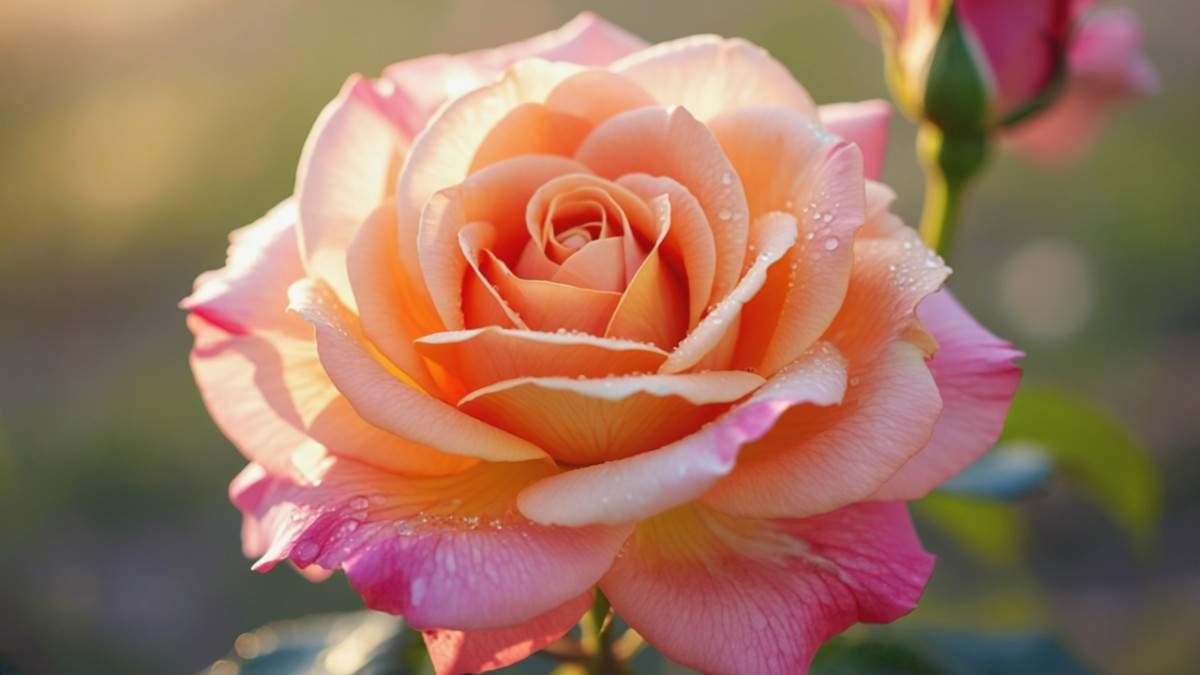
Five years ago, I stood in my garden in Multan, staring at a freshly purchased Disneyland rose plant like it was a new family member. Honestly, I was nervous. I’d grown plenty of flowers before, but this one had a name that carried magic. “Disneyland” — the word alone made me think of fairytales, fireworks, and pure joy. The first blooms were peachy-pink with yellow swirls, almost like they were painted by an artist with a happy heart. I remember thinking, if roses could smile, this one just did. From that day, I was hooked. And oh boy, the journey began.
Table of Contents
ToggleWhy the Disneyland Rose Plant Steals the Show
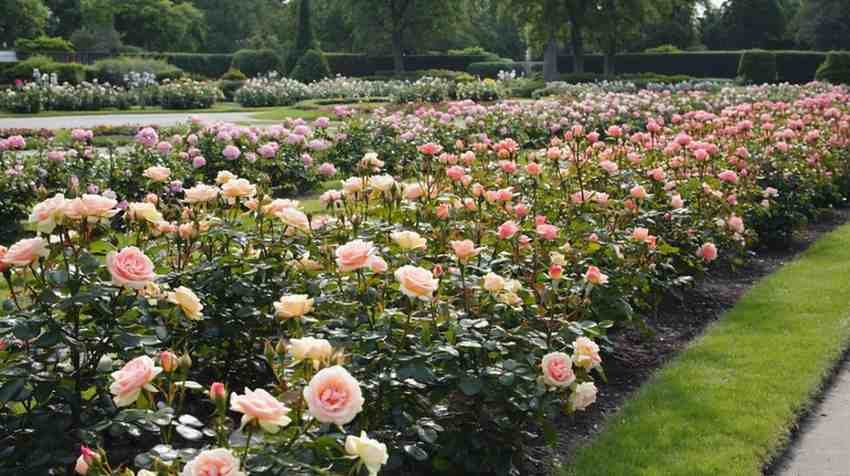
You know how some flowers are beautiful but… forgettable? The Disneyland rose plant is not one of them. It’s bold, colorful, and charming in a way that feels alive. The blooms look like sunsets trapped in petals — peach, pink, and gold dancing together. It’s a floribunda variety, meaning you get clusters of blooms instead of lonely singles. And when it blooms, it’s not shy — it covers itself like it’s auditioning for the lead role in a floral parade. Gardeners worldwide adore it not just for its looks but for its resilience and long blooming season.
The Personality of a Disneyland Rose Plant
If plants had personalities, this one would be the friend who lights up every room. It’s cheerful but not high-maintenance. Sure, it appreciates attention — a little feeding, some pruning, the occasional pep talk — but it won’t throw a tantrum if you skip a day. It loves the sun like a true sun-chaser and thrives in well-drained soil. And here’s the kicker: it keeps blooming from late spring right into fall. While other roses take breaks, the Disneyland rose plant just keeps going, like it’s fueled by happiness itself.
Planting Your Disneyland Rose – The Right Start
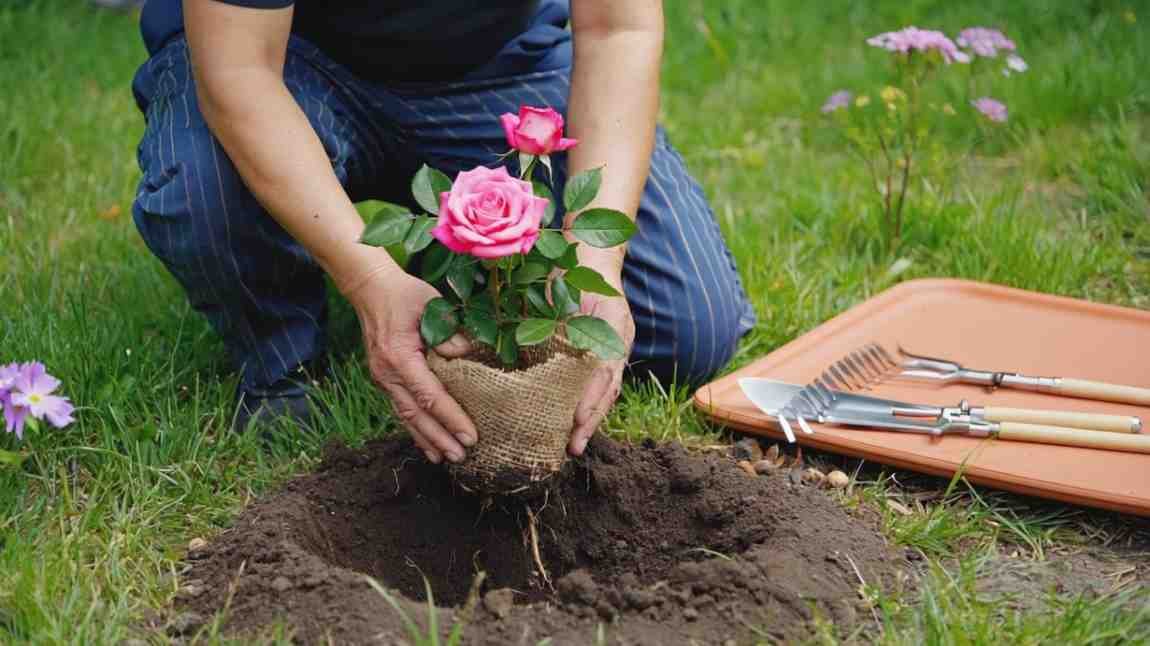
Planting this beauty is like setting the stage for a show. Choose a sunny spot — at least six hours of light daily. Dig a hole twice the size of its root ball and mix in compost for good measure. Roses are hungry creatures, and this one’s no exception. Space matters too — about 18 to 24 inches from other plants so it can breathe. And water deeply after planting. It’s like giving your new guest a welcome drink before the party begins. Remember, healthy beginnings lead to spectacular blooms later.
Watering – Not Too Much, Not Too Little
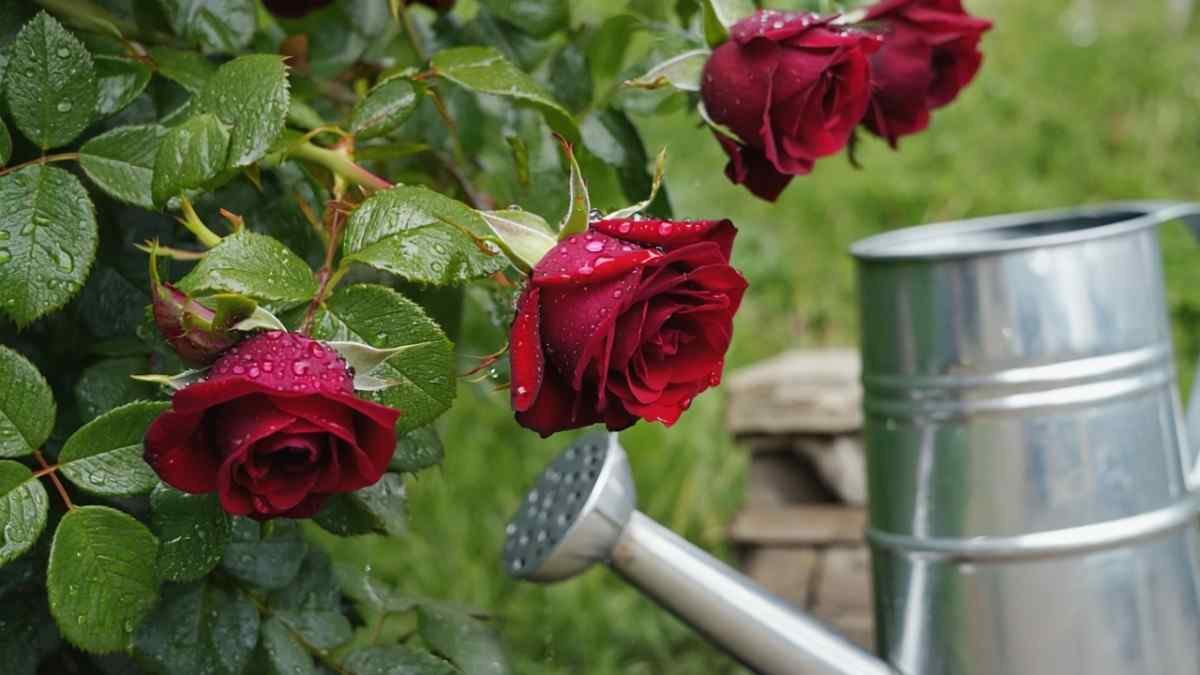
Disneyland roses are a bit like people when it comes to water — they hate extremes. Overwatering can drown the roots, while neglect can dry them out. Aim for deep watering once or twice a week, depending on your climate. In hotter regions, they’ll get thirstier. Water at the base, not over the leaves, to prevent disease. Early morning watering works best — think of it as their breakfast time. And here’s my little trick: mulch around the base to lock in moisture and keep weeds away.
Feeding the Magic
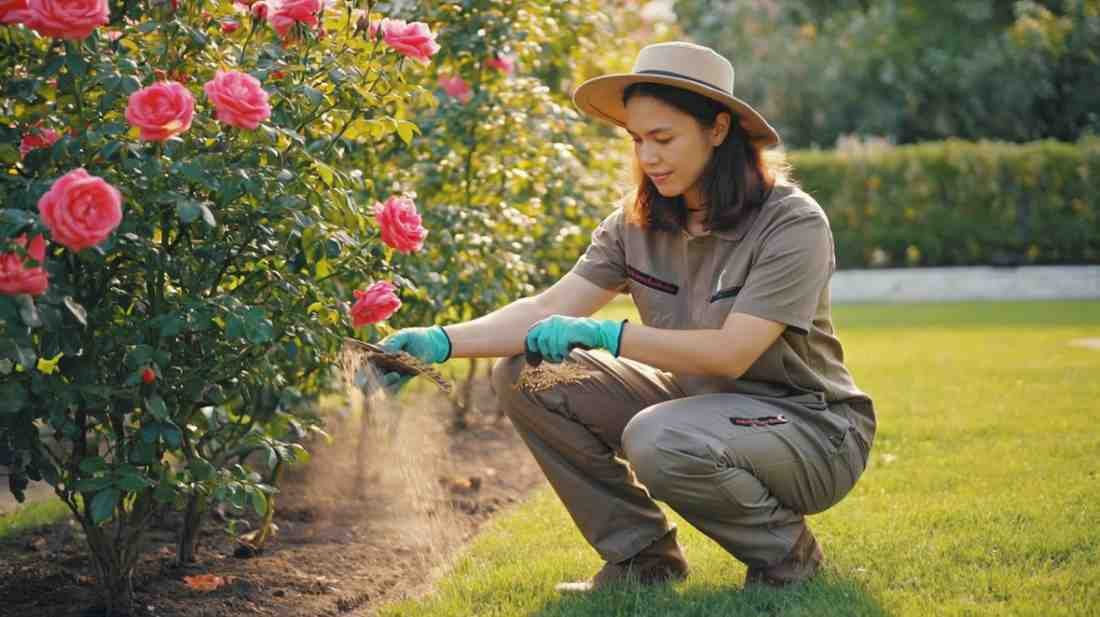
A Disneyland rose plant loves food. Feed it like you’d feed a teenager — generously and regularly. Start in early spring with a balanced rose fertilizer. Repeat every 4–6 weeks until late summer. Stop feeding before fall, so it can prepare for winter instead of pushing new growth. And if you want blooms that wow, add a little compost tea now and then. It’s the plant world’s equivalent of a vitamin-packed smoothie. Trust me, the difference shows in the petals.
Pruning – Shaping the Story
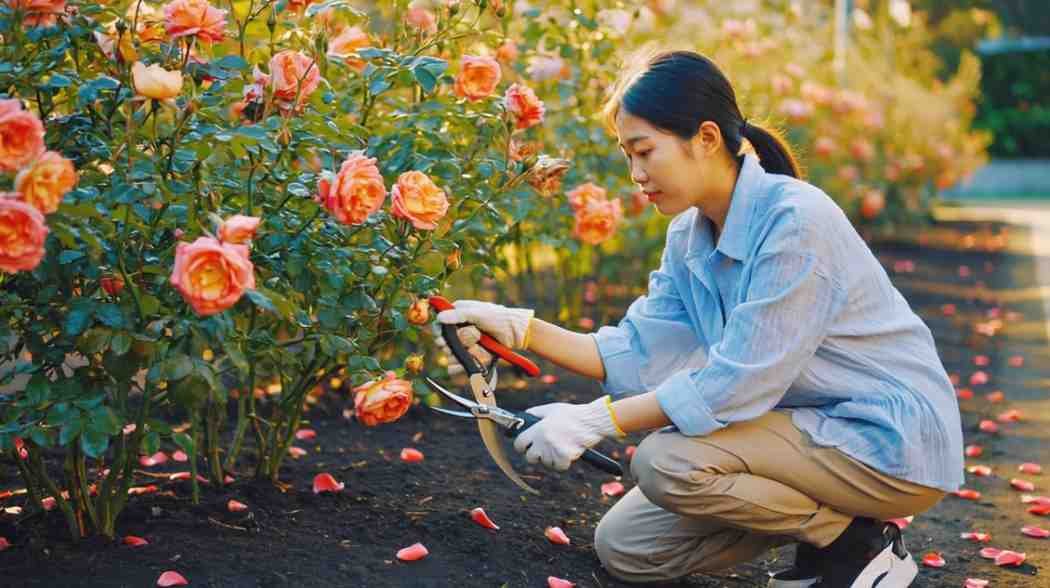
Pruning isn’t just about making the plant look neat; it’s about guiding its growth. I prune my Disneyland rose plant in early spring, cutting away dead or weak stems. Aim for an open center so air can circulate — that keeps diseases away. Deadheading (removing spent blooms) encourages new flowers to form faster. It’s like telling your plant, “Great job, now let’s do it again!” Always use clean, sharp tools. And yes, talk to your plant while pruning. If nothing else, it makes the job more fun.
Dealing with Pests – The Uninvited Guests
Every garden has gatecrashers. For roses, it’s aphids, spider mites, and the occasional black spot disease. My first Disneyland rose plant had a run-in with aphids, and I nearly panicked. But a quick spray of soapy water sent them packing. Neem oil is another natural hero. Check your plant regularly — early detection is key. And remember, a healthy, well-fed plant is naturally better at fighting off trouble. Just like us after a good meal and a solid night’s sleep.
Weather and Blooming Cycles
One of the reasons I adore the Disneyland rose plant is its adaptability. It can handle heat, a bit of wind, and even cooler nights without throwing a fit. But it does best in USDA zones 5–9. The first big flush of flowers comes in late spring, followed by repeat waves right into fall. And the color? Oh, it changes with the weather. Warm days bring out more gold, cooler days more pink. It’s like getting multiple rose varieties in one plant.
Why It’s Called the “Disneyland” Rose
There’s a whimsical reason behind the name. The Disneyland rose plant was introduced in 2003 and named to celebrate Disneyland’s California charm. Its colors mirror the park’s magical sunsets and vibrant energy. Planting one in your garden feels like bringing home a piece of that joy. And honestly, every time mine blooms, I half expect fireworks to go off in the background.
Growing the Disneyland Rose Plant Worldwide
One of the things I admire most about the Disneyland rose plant is how it adapts across different climates. In sunny California, it flourishes almost effortlessly, soaking up the heat like a beach lover. In cooler regions like the UK, it takes its time to bloom but rewards patience with vibrant, rich colors. For tropical zones, afternoon shade is a blessing to protect petals from scorching. The key is understanding your climate and adjusting care — more watering in dry areas, better drainage in wetter ones. Wherever you are, with the right attention, this rose can be your garden’s star performer.
Seasonal Care – Month by Month
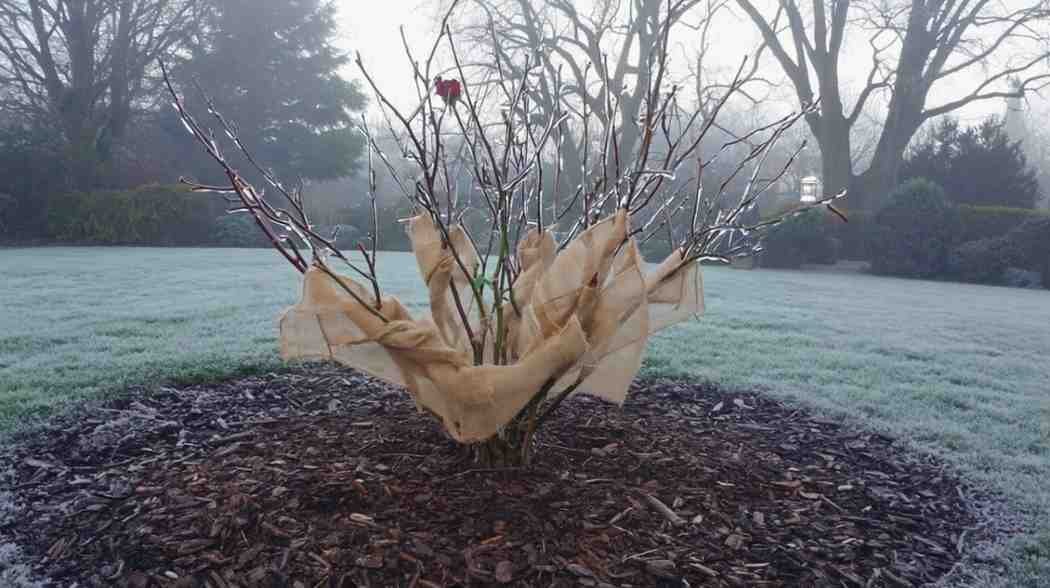
Taking care of a Disneyland rose plant feels like raising a child — each season brings different needs. Spring? That’s growth season — prune, feed, and prepare. Summer? Water well, deadhead blooms, and watch for pests. Fall? Ease up on feeding and let the plant slow down naturally. Winter? In colder zones, protect it with mulch or burlap wrapping. The more you tune into its seasonal rhythm, the happier and more productive it will be. And trust me, a happy rose doesn’t just bloom — it shows off.
Using the Disneyland Rose in Landscaping
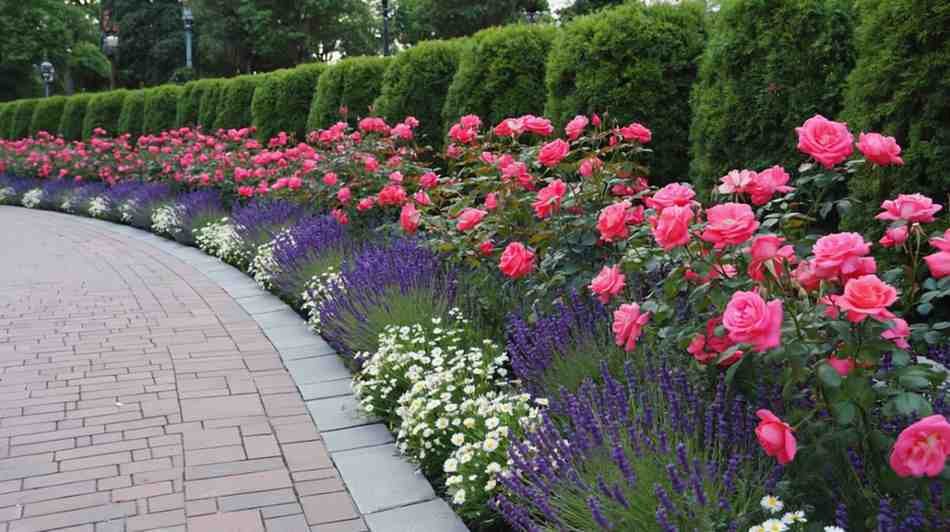
This plant isn’t shy, so don’t hide it in a corner. Disneyland rose plants shine in mixed borders, along pathways, or as centerpieces in garden beds. Pair them with lavender or salvia for a contrast in color and texture. I once planted mine next to white daisies — the combo looked like a painter’s masterpiece. They also work beautifully in containers if you’re short on space. Just remember: big roots need room, so choose pots that are generous in size. And if you want to create pure drama, plant them in clusters. The effect is breathtaking.
Cut Flowers – Bringing the Magic Indoors
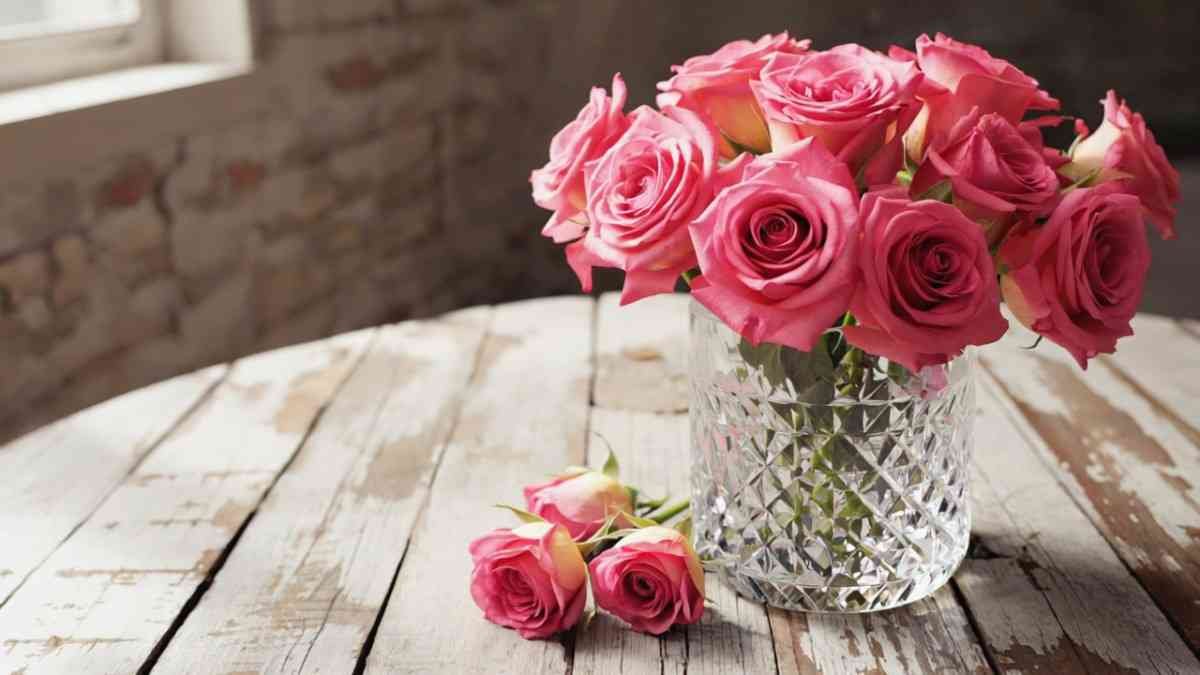
The Disneyland rose plant isn’t just an outdoor delight. Its blooms make fantastic cut flowers, bringing that garden charm right into your living room. Cut early in the morning when petals are fresh, and place them in lukewarm water with a bit of floral preservative. Change the water every couple of days. I’ve had bouquets last over a week — long enough for guests to think I have a magic touch. And let’s be honest, there’s something extra special about eating breakfast next to a vase of freshly cut roses.
Common Problems and How to Fix Them
Even the happiest plants have their bad days. Black spot and powdery mildew can show up if the weather gets too damp. The solution? Good air circulation and watering at the base, not the leaves. If pests like aphids appear, neem oil or insecticidal soap works wonders. Yellow leaves often mean overwatering or nutrient deficiency — adjust your routine accordingly. My golden rule? Check the plant often. Problems caught early are problems easily fixed. And if you do lose a bloom or two, don’t panic. Roses are resilient little warriors.
Winter Protection – Keeping the Magic Alive
In warmer climates, the Disneyland rose plant can handle winter without much fuss. But if you live where frost bites hard, you’ll need to play guardian. Stop fertilizing by early fall to let the plant go dormant. After the first frost, mound soil or mulch around the base to protect the roots. In extreme cold, wrap the canes with burlap or horticultural fleece. I like to think of it as tucking my roses in with a cozy blanket for the season. Come spring, they’ll wake up refreshed and ready to perform again.
Advice from Experience – My Top Tips
After five years of tending to Disneyland roses, here’s my straight-from-the-garden advice:
-
Start strong – Healthy plants at the start save you trouble later.
-
Love the sunlight – Don’t skimp on sunshine.
-
Feed regularly – But stop before fall to avoid frost damage.
-
Prune with purpose – Think airflow and shape.
-
Check for pests often – Early action is the best action.
-
Enjoy the journey – Roses are not just plants; they’re companions in the garden.
And most importantly — talk to them. Yes, I’m serious. Plants might not respond with words, but they sure do respond with better blooms.
FAQs about Disneyland Rose Plant
1. How tall does a Disneyland rose plant grow?
Usually between 3 to 4 feet tall, with a similar spread. Perfect for both garden beds and containers.
2. How often does it bloom?
From late spring right through fall, in multiple flushes.
3. Is the Disneyland rose plant fragrant?
Yes, it has a light, sweet fragrance — not overpowering but pleasantly noticeable.
4. Can I grow it indoors?
It’s best suited for outdoor conditions, but you can grow it in large containers on balconies or patios with plenty of sunlight.
5. How long do cut blooms last?
With proper care, up to a week or more in a vase.
6. Is it easy to grow for beginners?
Absolutely. It’s one of the more forgiving rose varieties, perfect for gardeners of all skill levels.
Final Thoughts – A Bloom Worth Keeping
The Disneyland rose plant is more than just a flower. It’s a mood lifter, a conversation starter, and a constant reminder that beauty can be both joyful and resilient. Whether you’re a seasoned gardener or just starting out, this plant will meet you halfway. Give it sun, water, and a bit of care, and it will reward you with a show that rivals any firework display. In my book, that’s gardening magic at its finest. And every time I see those peachy-golden blooms, I remember why I fell in love with gardening in the first place.
for more about maple tree https://homegardeni.com