I’m Ahmad Hassan, and I’ve been digging in the dirt for the past five years — right here in sunny, soul-scorching Multan. Trust me, this city doesn’t do “mild” summers. It does “bake-you-alive” summers. Now, I’ve had my fair share of gardening disasters — droopy roses, overly dramatic ferns, and a cactus that somehow drowned. But nothing prepared me for my beloved calla lilies turning yellow. One morning, my garden looked like fall had shown up uninvited in July. Yellow leaves everywhere. Panic mode? Activated. So, I decided to dig (pun intended) deep into the question: why are my calla lily leaves turning yellow?
It’s Not Always Your Fault (But Sometimes It Is)
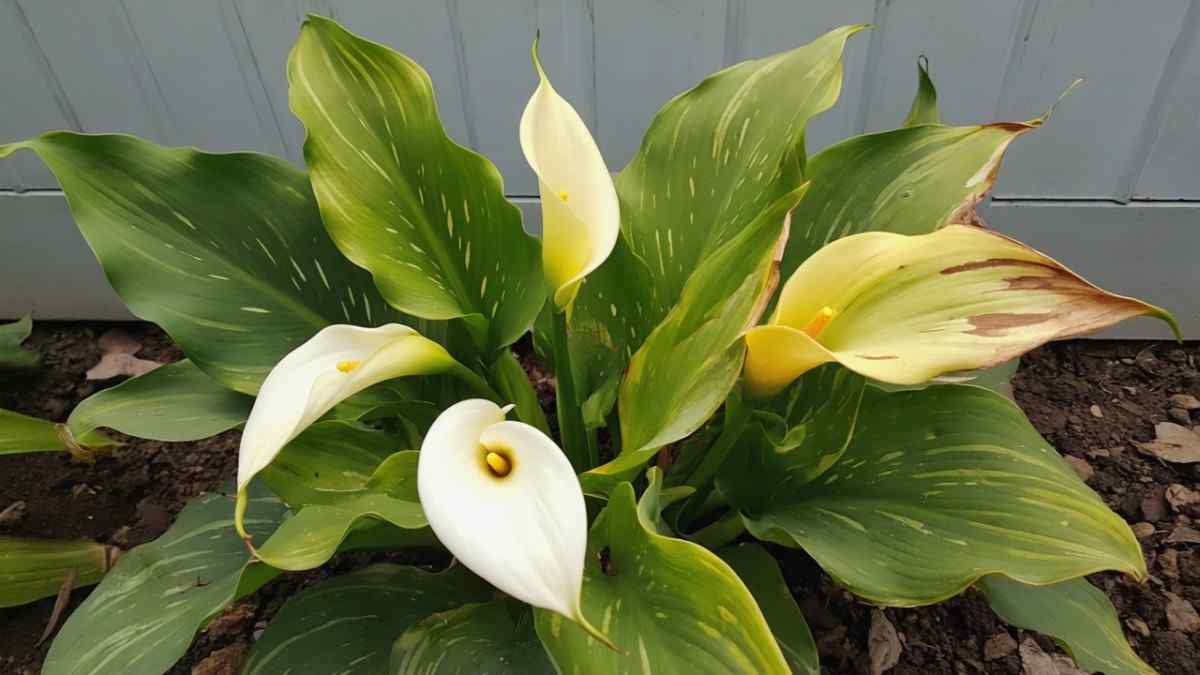
Let’s start with a gentle truth: not every yellow leaf means you’ve failed. Sometimes, nature’s just doing her thing. But yes, a sea of yellow? That’s a red flag. Or well, a yellow one. When your calla lilies start turning shades of banana, it’s usually them whispering (or screaming), “Hey, something’s off!” Maybe it’s the soil. Maybe it’s water. Maybe it’s even bugs. And sometimes, it’s all of the above. Understanding what’s going wrong is the first step to setting things right. We’ll break it all down. No fluff. Just real answers.
Overwatering: The “Too Much Love” Syndrome
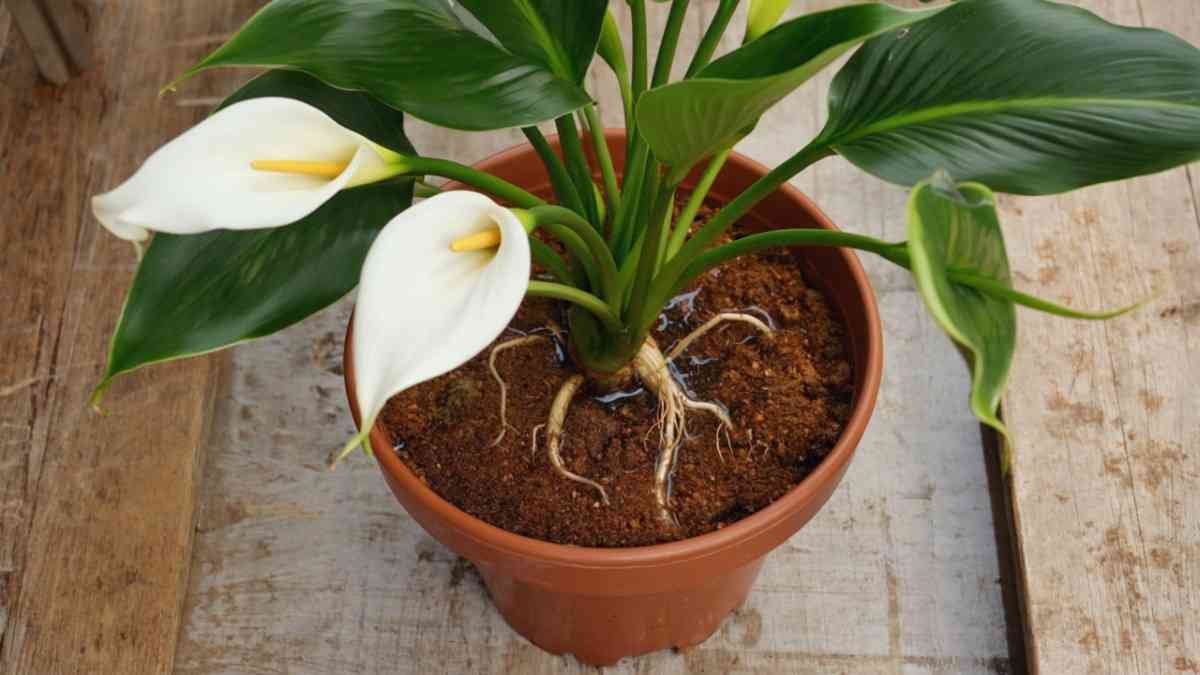
I get it. You love your plants. You want them to thrive. So you water them. Then again. And again. And before you know it, your calla lily roots are basically swimming. That, my friend, is a one-way ticket to yellow leaves. Calla lilies don’t appreciate soggy feet. Their roots need to breathe. If you’ve been generous with the watering can, this could be your culprit. Always check the soil. If it’s squishy, soggy, or smells like a damp basement — it’s time to cut back. Your lilies aren’t thirsty. They’re drowning.
Underwatering: Yes, That’s a Thing Too
Let’s flip the script. What if you’ve been ignoring your lilies? It happens. Life gets busy. One day you realize the soil feels like chalk, and the leaves have gone from lush green to sad yellow. Yep, that’s dehydration. Calla lilies like consistent moisture — not a flood, not a drought. A deep drink once or twice a week, especially during peak summer, usually does the trick. But remember, water smart, not hard. Check the top 2 inches of soil. Dry? Water. Wet? Wait. It’s that simple.
Poor Drainage: The Silent Killer
Sometimes, the problem isn’t how much water you give — it’s where the water goes. Or doesn’t go. If your soil is dense, clay-heavy, or in a pot without drainage holes, you’re setting your calla lilies up for failure. Yellowing leaves often mean the roots are rotting underground where you can’t see. Try lifting the pot. Is it heavy all the time? Poke your finger in. Does it stay wet forever? Time to repot or fix the bed. Add sand or perlite. Give your soil some air. Roots, like people, need space to breathe.
Nutrient Deficiency: When Your Lily’s Diet Sucks
Think of yellow leaves as your calla lily’s way of asking for a multivitamin. If the soil is old, overused, or simply poor, your plant might be starving. Lack of nitrogen is the usual suspect here. It starts with pale green, then edges into full-blown yellow. A slow-release fertilizer with balanced nutrients (10-10-10 or 20-20-20) can help bring back the green. But don’t overdo it. A little goes a long way. Also, compost works wonders. It’s like homemade food for plants — rich, earthy, and full of love.
Pests: The Tiny Trouble-Makers
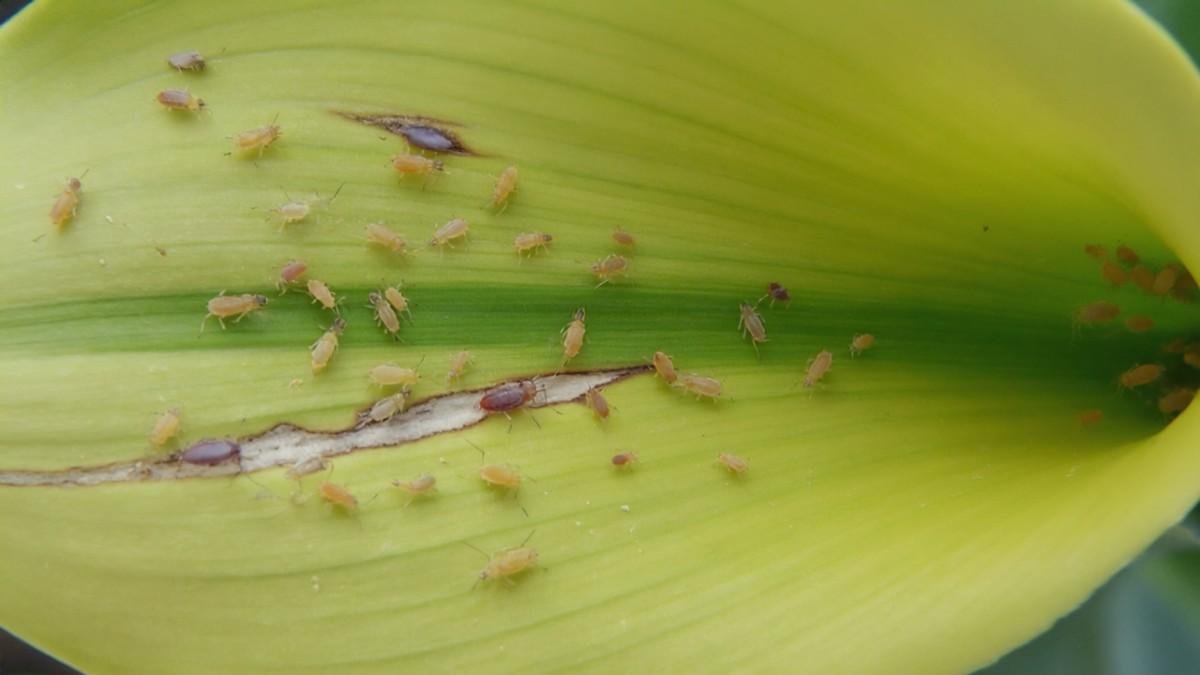
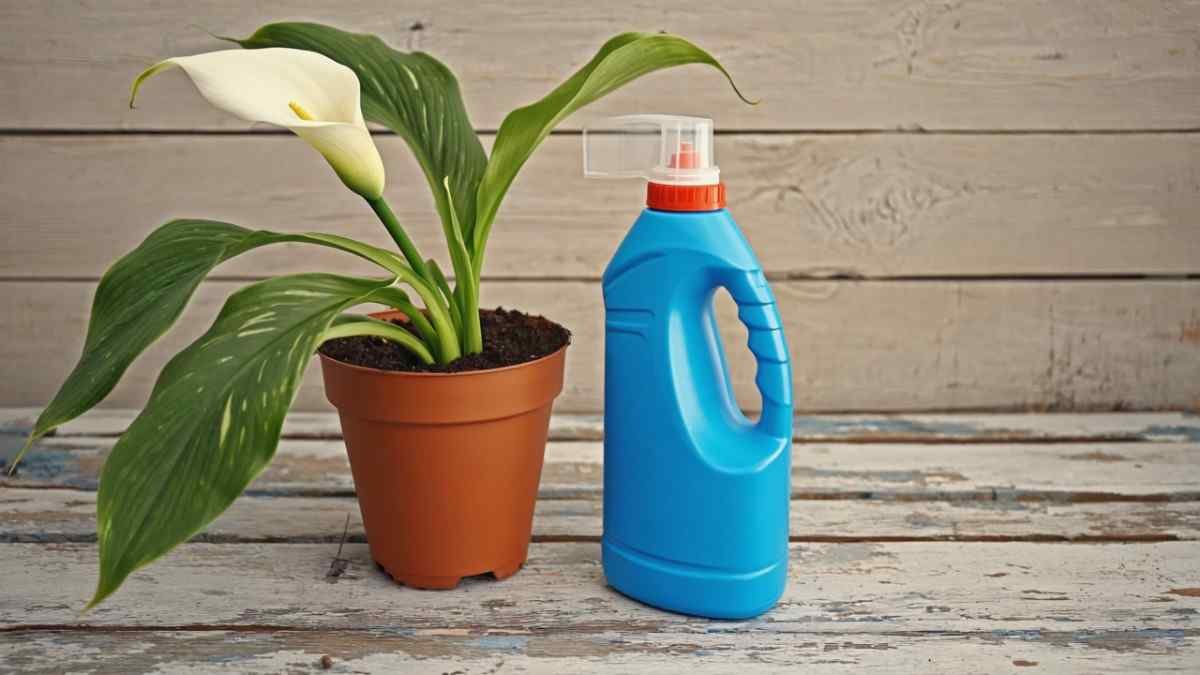
Let’s talk about the uninvited guests. Aphids, spider mites, and thrips — tiny pests with a huge appetite. They suck the life out of your plant, literally. You might not even notice them at first. But your leaves will. Yellowing, curling, and even sticky spots are signs of pest problems. Flip a leaf. See something crawling? It’s go-time. Spray with neem oil or insecticidal soap. Go natural. Go gentle. Don’t let your lilies become bug buffets. Remember, it’s your garden — not an insect hotel.
Disease Alert: Fungal or Bacterial Drama
Root rot. Botrytis. Leaf blight. Sounds like a horror movie lineup, right? These diseases can sneak up on you fast, especially in humid climates like Multan. Yellowing leaves, wilting stems, and mushy bases are telltale signs. If your plant looks like it’s melting or smells funky — that’s not normal. Remove affected leaves immediately. Clean your tools. Consider a fungicide treatment. And most importantly, improve airflow around your plants. Good spacing = happy lilies. Disease loves moisture and congestion. Don’t give it a reason to stay.
Natural Aging: Because Plants Get Old Too

Here’s a comforting thought — maybe nothing’s wrong. Maybe your calla lily leaves are just… old. Yes, like humans, leaves have a life cycle. They grow, thrive, yellow, and fall off. It’s normal. Especially after blooming. If it’s just a few leaves and the rest of the plant looks healthy, don’t sweat it. Trim the yellow ones and carry on. Your lily’s just moving on, not giving up. Sometimes, the answer to why are my calla lily leaves turning yellow is simply — life.
Sunburn: The Hot Truth
Yes, even plants can get sunburned. Especially in places like Multan, where the sun doesn’t just shine — it attacks. Calla lilies love light, but too much direct afternoon heat can bleach and yellow their leaves. The solution? Partial shade. Morning sun, afternoon break. If they’re in pots, move them. If in beds, consider installing shade cloth. Your lilies aren’t lazy — they’re just sensitive. Like a goth at the beach.
Container Trouble: Pot Problems 101
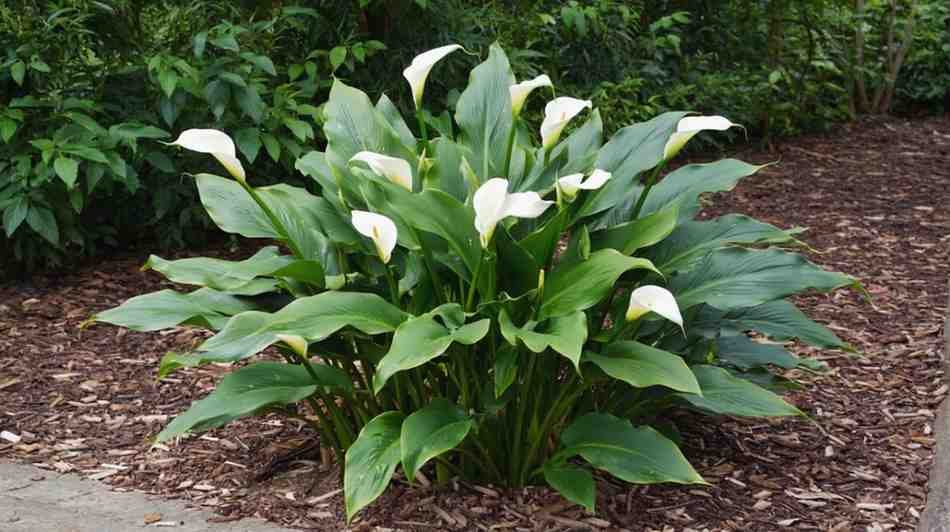
If your calla lilies are in pots, there’s a whole other list of issues. Small pots mean crowded roots. No drainage means root rot. Old soil means nutrient gaps. It’s like living in a one-room flat with no windows and stale air. Time to upgrade. Use a slightly bigger pot, fresh soil mix (rich, loose, well-draining), and make sure there’s at least one hole in the bottom. Don’t suffocate your plant’s potential.
Seasonal Changes: Mother Nature Has Her Mood Swings
You ever wake up one day and suddenly feel tired for no reason? Your calla lilies feel the same way during seasonal shifts. Especially during spring-to-summer or summer-to-fall transitions. Yellowing can be a response to environmental confusion. One day it’s 30°C, the next it’s raining, then boom — it’s 45°C again in Multan. Poor things don’t know whether to bloom or nap. If the yellowing shows up during a seasonal pivot and the plant still looks healthy overall — give it time. It’s adjusting. Like all of us during Mercury retrograde.
Transplant Shock: Change Is Hard, Even for Lilies
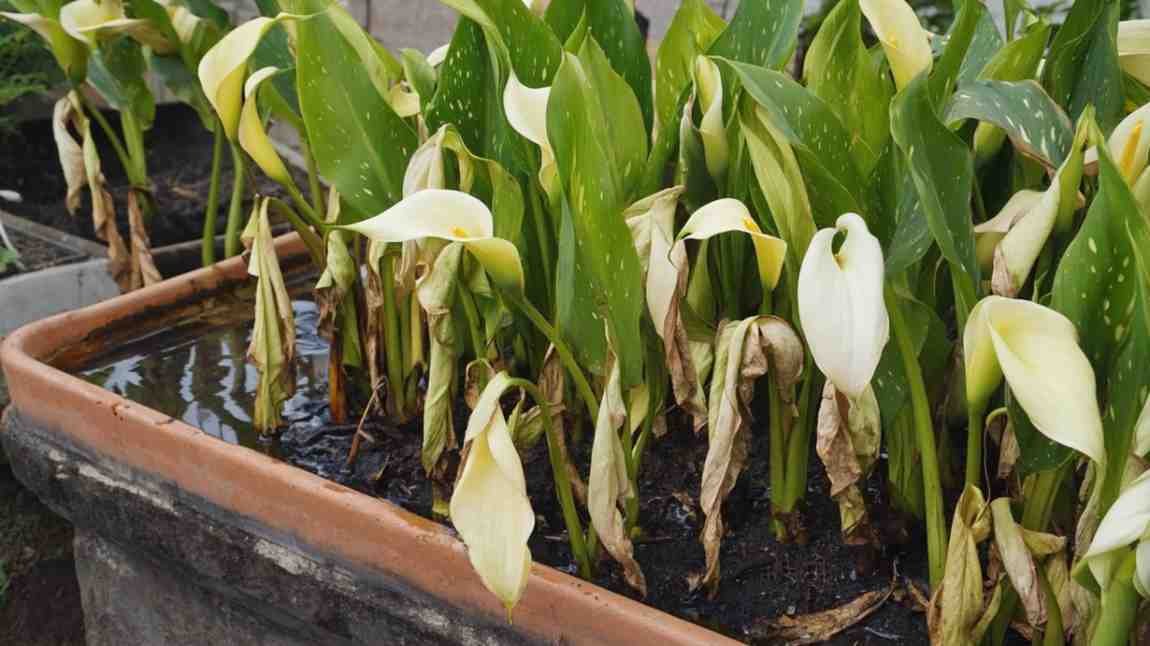
So you decided to move your calla lily from one bed to another. Or from a pot to the ground. Bravo! But if your plant starts sulking — AKA turning yellow — don’t freak out. That’s transplant shock. Uprooting disrupts the roots, and the plant panics. Leaves yellow as it tries to stabilize. It’s like moving houses and forgetting where you packed the kettle. Give it a few weeks. Water gently. Shade it a bit. Avoid fertilizer right away. Soon enough, it’ll settle in and perk up. Patience is the best fertilizer here.
Yellowing After Blooming: The Post-Party Crash
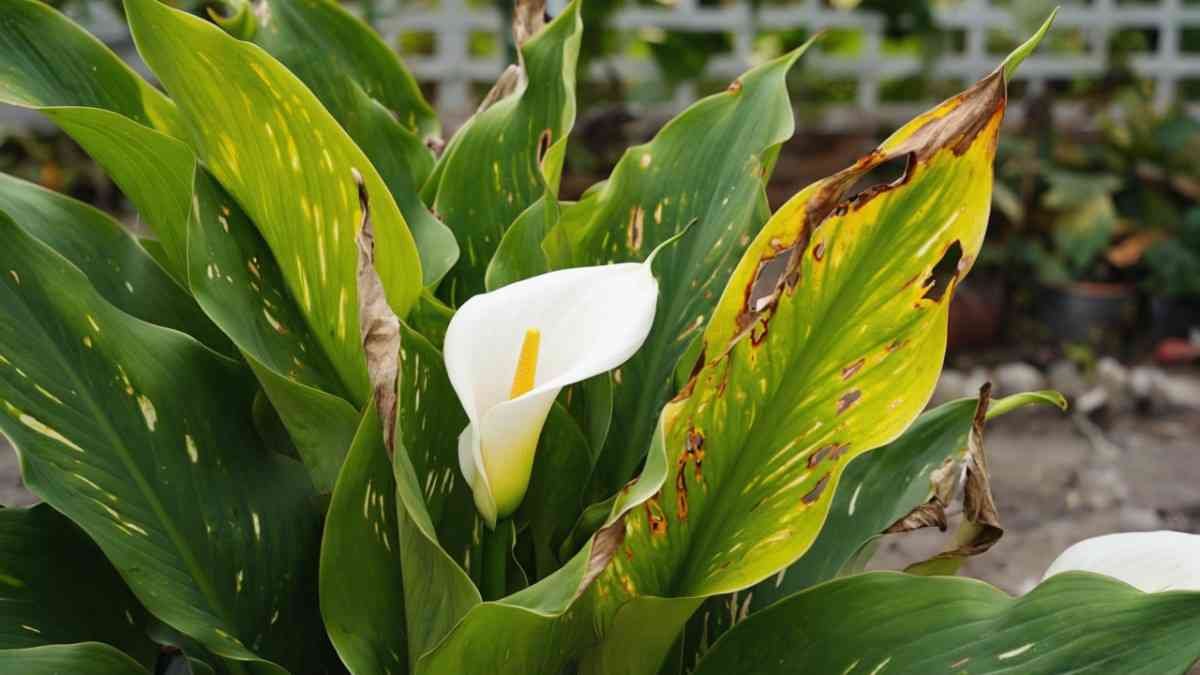
Ah, the bloom’s over. The fanfare’s gone. Your calla lilies gave it all they had — and now they’re tired. Totally normal. Post-flowering, the plant begins to slow down and redirect energy to the rhizomes (underground tubers). Leaves may yellow, wilt, or even die back. Don’t fight it. Just prune the yellowing leaves and let the plant rest. It’s prepping for next season’s magic. Think of it like a spa day — minus the cucumber water. This kind of yellowing is more like a thank-you note than a cry for help.
How to Revive Yellowing Calla Lilies: Step-by-Step Rescue
Here’s your emergency kit. When your mind’s screaming, “Why are my calla lily leaves turning yellow?” — follow this checklist:
- Inspect the soil: Too dry or too wet? Fix accordingly.
- Check drainage: No swampy pots allowed.
- Trim yellow leaves: Let the plant focus on healthy growth.
- Look for pests: Under the leaves, near the base — squish or spray them.
- Apply a balanced fertilizer: Just a little, not a buffet.
- Move to filtered light: Especially if sunburn is suspected.
- Give it time: Plants aren’t magic. They heal slow and steady.
Sometimes, that’s all it takes. A little love. A little logic. A whole lot of patience.
Long-Term Care Tips to Prevent Yellowing
Let’s be honest. Prevention beats cure every time. So here’s how to keep your calla lilies glowing green:
- Water consistently, not constantly.
- Use loose, well-draining soil.
- Don’t crowd pots or garden beds.
- Fertilize once a month during growing season.
- Watch for bugs — they’re small but mighty.
- Rotate pots to balance sun exposure.
- Let them rest post-bloom. Respect the chill phase.
Remember, calla lilies aren’t needy — they just need the right conditions. Keep them happy, and they’ll bloom like it’s their job.
FAQs About Yellowing Calla Lily Leaves
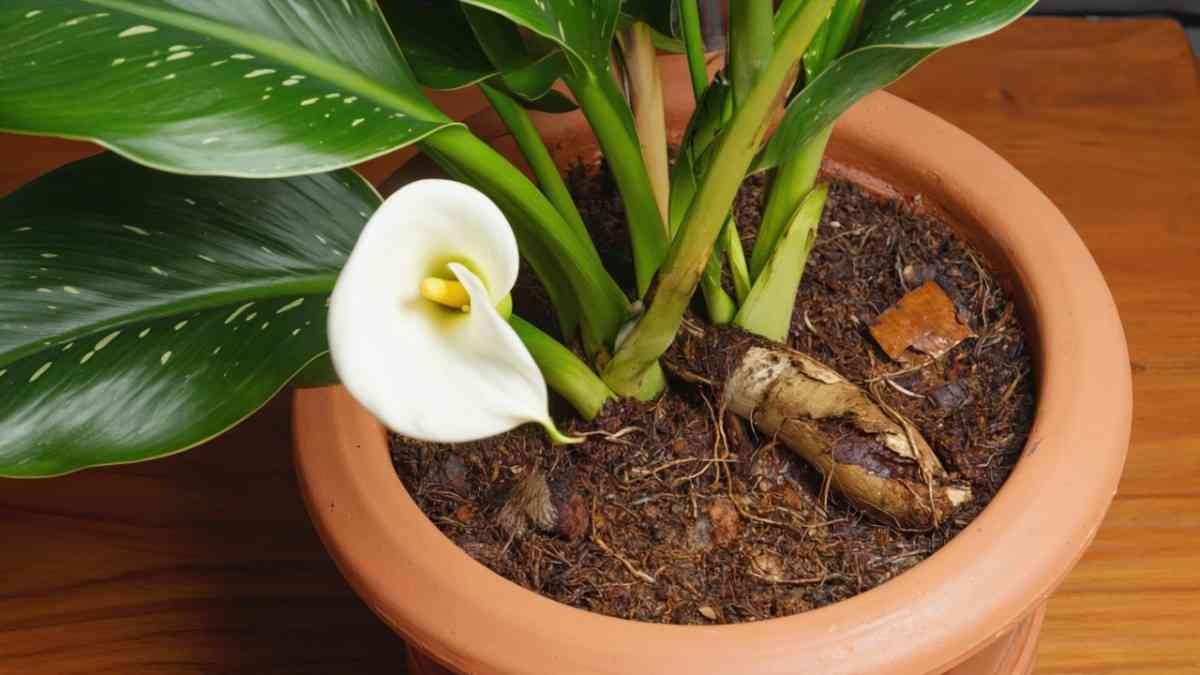
Q1: Should I remove yellow leaves from my calla lily?
Yes! Yellow leaves aren’t helping the plant anymore. They’re like dead weight. Snip them off with clean scissors. This helps redirect energy to healthier parts of the plant and improves air circulation. Think of it as a little garden haircut.
Q2: Can too much fertilizer cause yellowing?
Surprisingly, yes. Overfeeding burns the roots and disrupts nutrient balance, leading to — you guessed it — yellowing. Always follow the label. When it comes to fertilizer, more isn’t better. It’s a side dish, not the main course.
Q3: My calla lily is in full sun. Is that a problem?
It can be, especially in scorching cities like Multan. Calla lilies enjoy bright light but prefer some afternoon shade. Full sun can cause sunburn, leaf scorch, and yellowing. Try giving it a break during the hottest hours.
Q4: Is yellowing a sign my calla lily is dying?
Not always. In many cases, it’s reversible. Catch the cause early, adjust your care, and the plant usually bounces back. However, if the whole plant is turning mushy or black at the base — that’s serious. Root rot may have taken over.
Q5: Can I grow calla lilies indoors to avoid yellowing?
Absolutely! They make stunning indoor plants. Just ensure they get bright indirect light, not direct sun through a hot window. Water when the top soil dries, and keep humidity moderate. They’ll thrive with a little attention — and a lot of compliments.
Final Thoughts from (With Love)
If you’ve ever stared at your garden whispering “Why are my calla lily leaves turning yellow?”, you’re not alone. I’ve been there — chai in hand, stress in eyes. But what I’ve learned over these five years is this: plants talk. Not in words, but in signs. Yellow leaves? That’s just one way they ask for help. And now, you’ve got the answers.
Sometimes it’s water. Sometimes it’s bugs. Sometimes, it’s just life. Don’t stress. Don’t toss the plant. Just tweak, observe, and trust the process.
Your calla lilies are not giving up on you — don’t give up on them.
If you need more knowledge about calla lily flowers so these links are helpful for you :
https://homegardeni.com/calla-lily-the-bold-beautiful-bloom-with-a-heart/
https://homegardeni.com/calla-lily-colors-a-rainbow-of-elegance-in-your-garden/
https://homegardeni.com/the-purple-calla-lily-plant-elegance-dash-drama/
https://homegardeni.com/calla-lily-and-rose-bouquet-a-love-story-in-petals/
https://homegardeni.com/black-calla-lilies-mysterious-beauty-in-bloom/