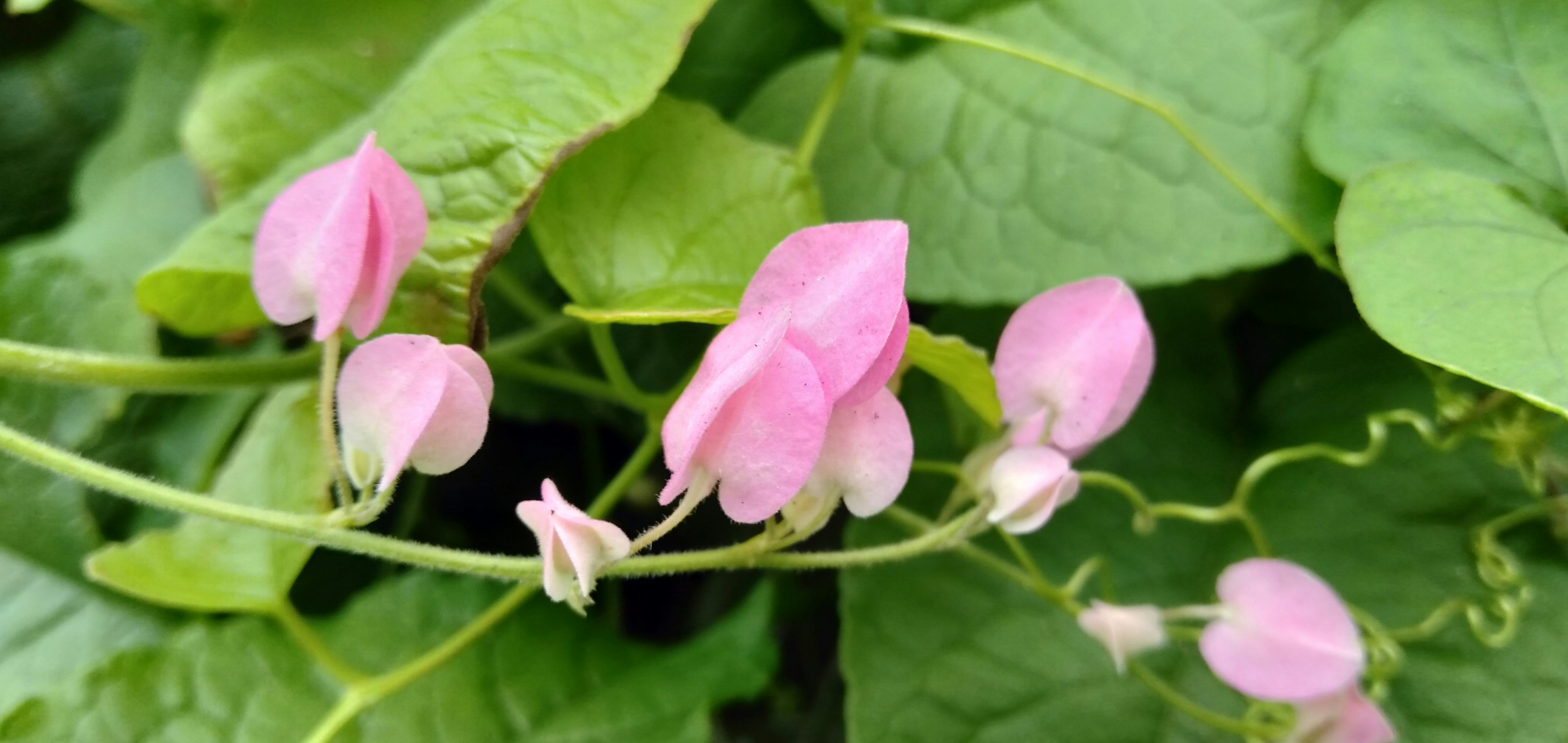
Introduction to Pink Flowers
Pink flowers have long captivated the hearts of many with their diverse array of species and their enchanting aesthetic appeal. This charming hue comes in various shades, from soft pastels to vibrant fuchsias, each distinctly contributing to the beauty of gardens and floral arrangements alike. Their popularity transcends cultural and geographical boundaries, making pink flowers a universal symbol of love, admiration, and appreciation.
When one thinks of floral arrangements or special occasion decorations, pink flowers often come to mind. They are frequently used to convey feelings of tenderness and warmth, making them a top choice for weddings, anniversaries, and romantic gestures. Whether presented as a bouquet or used to adorn a picturesque garden, their vibrant colors evoke a sense of joy and tranquility.
Moreover, pink flowers are not limited to a particular season; they bloom in spring, summer, and even autumn, making them versatile choices for a variety of settings. Popular species such as roses, peonies, and tulips showcase the allure of pink blossoms, each carrying its own scenic beauty and significance. Roses, for instance, symbolize gratitude and admiration, while peonies are often associated with prosperity and good fortune.
In addition to their aesthetic value, pink flowers also play an essential role in ecological balance. They attract beneficial pollinators, such as bees and butterflies, contributing to the overall health of ecosystems. Selecting pink flowers for your garden not only enhances visual appeal but also aids in creating a nurturing environment for wildlife.
Through their remarkable beauty and presence, pink flowers have solidified their status as cherished symbols in various cultures, making them a timeless choice for any floral ensemble or garden landscape.
Common Types of Pink Flowers
Pink flowers are cherished for their delicate beauty and widespread appeal. Among the most popular species are roses, peonies, cherry blossoms, and tulips, each distinguished by their unique characteristics and growth habits.
Roses, particularly the pink varieties, are known for their iconic shape and fragrance. They thrive in well-drained soil and require full sunlight to flourish. Pink roses can range from soft pastels to vibrant hues, symbolizing admiration and gratitude, making them a favorite for special occasions like anniversaries and Valentine’s Day.
Peonies are another stunning choice, prized for their lush, full blooms and pleasing scent. These flowers typically bloom in late spring to early summer and prefer sunny locations with well-aerated soil. Pink peonies can vary from blush tones to deep magenta, often carrying meanings of prosperity and good fortune.
Cherry blossoms, primarily associated with Japan, are renowned for their ephemeral beauty. Blooming in early spring, these delicate pink petals create breathtaking landscapes. The Japanese hold cherry blossoms in high regard, as they symbolize the transient nature of life, serving as a reminder to appreciate beauty in the moment.
Tulips, with their unique cup shape, are springtime favorites that come in numerous colors, including various shades of pink. These flowers are adaptable and grow best in well-drained soil with plenty of sunlight. Pink tulips often convey a sense of care and affection, making them suitable for a variety of occasions, including graduations and housewarmings.
In summary, the diversity of pink flowers offers an array of options for gardeners and floral enthusiasts alike, with each type bringing its own charm and symbolism to floral arrangements and landscapes.
The Symbolism of Pink Flowers
Pink flowers have long captivated the hearts and minds of individuals through their delicate beauty and gentle hues. These flowers are often associated with a multitude of meanings that resonate deeply within diverse cultures. Primarily, pink flowers symbolize love and affection, making them a popular choice for romantic gestures. The soft and warm qualities of pink convey feelings of tenderness and caring, which enhances their role as a classic expression of admiration.
Different shades of pink carry distinct meanings and emotions. For instance, light pink flowers, such as cherry blossoms and baby roses, epitomize sweetness and innocence, often evoking childhood memories or nostalgic feelings. Conversely, deeper shades of pink, like fuchsia, exude a more passionate form of love, suggesting a greater depth of emotion. By selecting the appropriate shade, individuals can convey a wide range of sentiments, from pure admiration to heartfelt compassion.
The cultural significance of pink flowers varies widely around the world. In Western societies, pink is often linked to femininity, grace, and elegance. It is frequently seen at important life events such as weddings and celebrations of new life, where pink blooms are used to symbolize joy and connection. In Eastern cultures, pink flowers can also embody prosperity and good fortune, thus enhancing their value in ceremonial contexts. Furthermore, pink flowers are sometimes associated with breast cancer awareness campaigns, signifying hope and a collective commitment to fighting the disease.
In conclusion, the symbolism of pink flowers transcends their physical beauty. Their meanings, shaped by varying shades and cultural contexts, reflect an intricate tapestry of emotions primarily centered around love, admiration, grace, and compassion. Whether used in celebration or remembrance, pink flowers convey sentiments that nurture bonds between individuals and celebrate life’s most precious moments.
Growing Pink Flowers in Your Garden
When considering the cultivation of pink flowers in your garden, it is essential to select the right varieties based on your specific climate and soil conditions. Pink flowers can be found across various species, including roses, peonies, and petunias, each of which has unique growing requirements.
One crucial factor in growing pink flowers is understanding the soil type they thrive in. Most pink flowering plants prefer well-drained soil with a pH ranging from 6.0 to 7.0. Conducting a soil test can aid in determining its nutrient levels and pH balance, allowing you to amend it accordingly with organic matter or fertilizers. Additionally, consider the climate; some pink flower varieties are more suitable for cooler climates, while others can withstand heat.
Sunlight requirements also play a critical role in the growth of pink flowers. While many pink blooms like full sun, receiving at least six hours of sunlight daily, there are several shade-tolerant varieties that can flourish in partially shaded areas. Evaluate the sun exposure in your garden and choose your pink flowers accordingly to ensure their vigorous growth.
Watering practices are equally important; most pink flowers require consistent moisture, particularly during the blooming season. However, overwatering should be avoided as it can lead to root rot and other fungal diseases. A general guideline is to keep the soil evenly moist but not soggy.
Finally, be vigilant for common pests and diseases that can afflict pink flowers. Aphids, spider mites, and whiteflies are notorious pests that may invade your garden, while diseases such as powdery mildew can cause significant harm. Employing proper sanitation practices, regular monitoring, and organic pest control methods can help maintain healthy pink flowers throughout the growing season.
Caring for Pink Flowers
Caring for pink flowers involves a comprehensive understanding of their specific needs throughout their life cycle. Whether grown in gardens or pots, proper maintenance can significantly influence their health and vibrancy. One of the key elements in caring for these beautiful blooms is regular pruning. Pruning not only helps maintain the plant’s shape but also encourages new growth by removing dead or diseased stems. For most pink flower species, the best time to prune is at the end of the blooming season, usually in late summer or early fall. This promotes robust growth and flowering for the following season.
Another vital aspect of maintaining pink flowers is fertilization. The right nutrients can enhance the color intensity and overall vigor of the plants. A balanced, slow-release fertilizer applied during the active growing season—typically spring through early summer—can provide essential nutrients. It is important to follow the recommended dosage as over-fertilization can lead to lush foliage at the expense of flowers.
Seasonal care is also crucial for the longevity of pink flowers. During warmer months, ensure that they receive adequate water; these plants generally prefer to be kept moist but not soggy. Watering should be adjusted according to weather conditions, especially during droughts. In contrast, during the colder months, it’s important to monitor the plants for frost damage, particularly if they are potted. Covering them with frost cloth or moving pots to a sheltered location can help protect them from winter conditions. By combining these techniques—pruning, fertilizing, and attentive seasonal care—gardeners can ensure that their pink flowers flourish and continue to brighten spaces year after year.
Using Pink Flowers in Floral Arrangements
Floral arrangements featuring pink flowers can evoke a sense of delicacy and beauty, making them a popular choice for various occasions. When it comes to arranging pink blooms, one must consider not only the selection of flowers but also their placement, color combinations, and overall composition. The right combination can create stunning bouquets, vibrant centerpieces, and alluring decorative displays.
One effective way to use pink flowers is to combine them with complementary colors. For instance, pairing soft pink roses with white lilies can create an elegant and classic arrangement. Alternatively, combining vibrant pink peonies with deep green foliage brings a refreshing contrast and a touch of liveliness. Experimenting with various shades of pink, from pale blush to vibrant fuchsia, allows for a range of aesthetics—from subtle to bold.
In addition to color combinations, consider the types of blooms used in your arrangements. Mixing different flowers, such as hydrangeas, tulips, or dahlias with pink flowers, can add texture and depth. Furthermore, integrating elements such as greenery or seasonal fillers can enhance the overall visual appeal of the arrangement. For example, utilizing eucalyptus or ferns can provide a natural look that highlights the beauty of the pink flowers.
When creating centerpieces, it is essential to consider the overall style and size of the arrangement. Taller arrangements with pink flowers can create a grand effect for event tables, while low arrangements can facilitate easy conversation among guests. Incorporating various heights and forms within the floral design can captivate the eye and lend interest.
Ultimately, the key to successful floral arrangements featuring pink flowers lies in creativity and personal expression. By thoughtfully combining shades, types, and accompanying elements, one can create captivating displays that celebrate the unique beauty and symbolism of pink blooms.
Pink Flowers in Different Cultures
Pink flowers hold a special place in various cultures around the globe, often symbolizing love, harmony, and compassion. In many Western societies, pink roses are prominently featured in romantic contexts, especially during weddings, where they symbolize sweet love and commitment. This association with love makes pink flowers a popular choice for bridal bouquets and decorations, serving to enhance the emotional significance of the occasion.
In Eastern cultures, the meaning attributed to pink flowers can vary. For example, in Japan, cherry blossoms, or sakura, are revered as symbols of the transient nature of life, embodying the beauty of fleeting moments. The annual cherry blossom festivals attract thousands, celebrating the arrival of spring and the delicate pink blooms that signify renewal and freshness. In this context, pink flowers emphasize the importance of appreciating life while it lasts.
Moreover, pink flowers also play crucial roles in funerals and memorials across cultures. In several traditions, pale pink lilies are chosen to represent purity and the idea that the departed has found peace. These flowers convey a message of reverence and sadness while comforting grieving families during a difficult time. Meanwhile, in South Asian cultures, pink flowers, like lotus blossoms, symbolize spiritual enlightenment and purity, often appearing in religious rituals and celebrations.
Additionally, folklore and literature are rife with references to pink flowers. In many stories, they symbolize innocence and playfulness, capturing the hearts of characters and readers alike. For instance, in various poetic works, pink flowers are often described as a motif of blooming affection, serving as a reminder of joyous moments and the beauty of nature. Through these cultural lenses, pink flowers emerge not just as aesthetic entities but as profound representations of human experiences, serving to connect individuals with their traditions and emotions.
DIY Pink Flower Crafts
Engaging in DIY projects using pink flowers can be a delightful way to express creativity and appreciate nature’s beauty. Below are several inspiring ideas that incorporate pink flowers, providing step-by-step instructions for crafting flower crowns, scrapbook decorations, and dried flower art.
1. Flower Crown: To create a beautiful flower crown, you will need:
- A selection of fresh or dried pink flowers (such as roses, peonies, or cherry blossoms)
- Green floral wire
- Floral tape
- Scissors
Step-by-Step Instructions:
- Cut the floral wire to fit around the head, allowing extra length for securing the flowers.
- Select and prepare your flowers by trimming the stems to approximately two inches.
- Begin attaching the flowers to the wire by wrapping their stems with floral tape, securing them tightly. Continue this process until the crown reaches your desired fullness.
- Finally, secure the ends of the wire crown together and enjoy wearing your floral creation.
2. Scrapbook Decorations: Adding pink flowers to a scrapbook can enhance memories beautifully. Gather materials such as:
- Flat pink flower petals or dried flowers
- Glue or double-sided tape
- Scissors
- Scrapbook pages
Step-by-Step Instructions:
- Select your favorite photos and design arrangement on a scrapbook page.
- Carefully glue pink flower petals or dried flowers to the corners or around the photos.
- Make sure to press gently to secure the flowers in place.
- Add written notes or decorative stickers to complete your page.
3. Dried Flower Art: Creating wall art with dried pink flowers can be a stunning focal point.Gather these materials:
- Dried pink flowers
- Picture frame or canvas
- Adhesive (glue or Mod Podge)
Step-by-Step Instructions:
- Arrange the dried flowers on the canvas or inside the picture frame to achieve the desired design.
- Once happy with the layout, apply adhesive to attach the flowers firmly.
- Allow to dry completely before hanging or displaying your art piece.
These projects not only allow for creativity but also bring a piece of the vibrant world of pink flowers into your home décor, while crafting enjoyable memories in the process.
Conclusion
In conclusion, pink flowers stand out as symbols of beauty, love, and admiration, captivating hearts with their delicate hues and diverse forms. Throughout this discussion, we have explored various aspects of pink flowers, from their visual appeal to their rich symbolism in different cultures. The versatility of these blooms extends beyond gardens and floral arrangements; they can evoke emotions and communicate messages of affection and hope.
Whether it is the charming blush of a cherry blossom or the vibrant fuchsia of a peony, each variety of pink flower carries its unique significance and aesthetic. This versatility allows them to be suitable for any occasion, from weddings to birthdays, and even moments of consolation. Indeed, pink flowers can brighten spaces and lives, offering comfort and joy through their mere presence.
As we celebrate the allure and significance of pink flowers, it is essential to acknowledge their role in our daily lives. Incorporating these lovely blooms into our surroundings not only beautifies our environment but also serves as a reminder of the positivity and grace they symbolize. Therefore, let us appreciate the beauty of pink flowers more consciously, embracing their charm and incorporating them into celebrations, home décor, and personal reflections.
In the end, recognizing the elegance of pink flowers can inspire us to cultivate a deeper connection with nature, promoting mindfulness and appreciation in our everyday journeys. By honoring the artistry and symbolism held within these floral wonders, we can enrich our experiences and celebrate the loveliness they bring to the world.