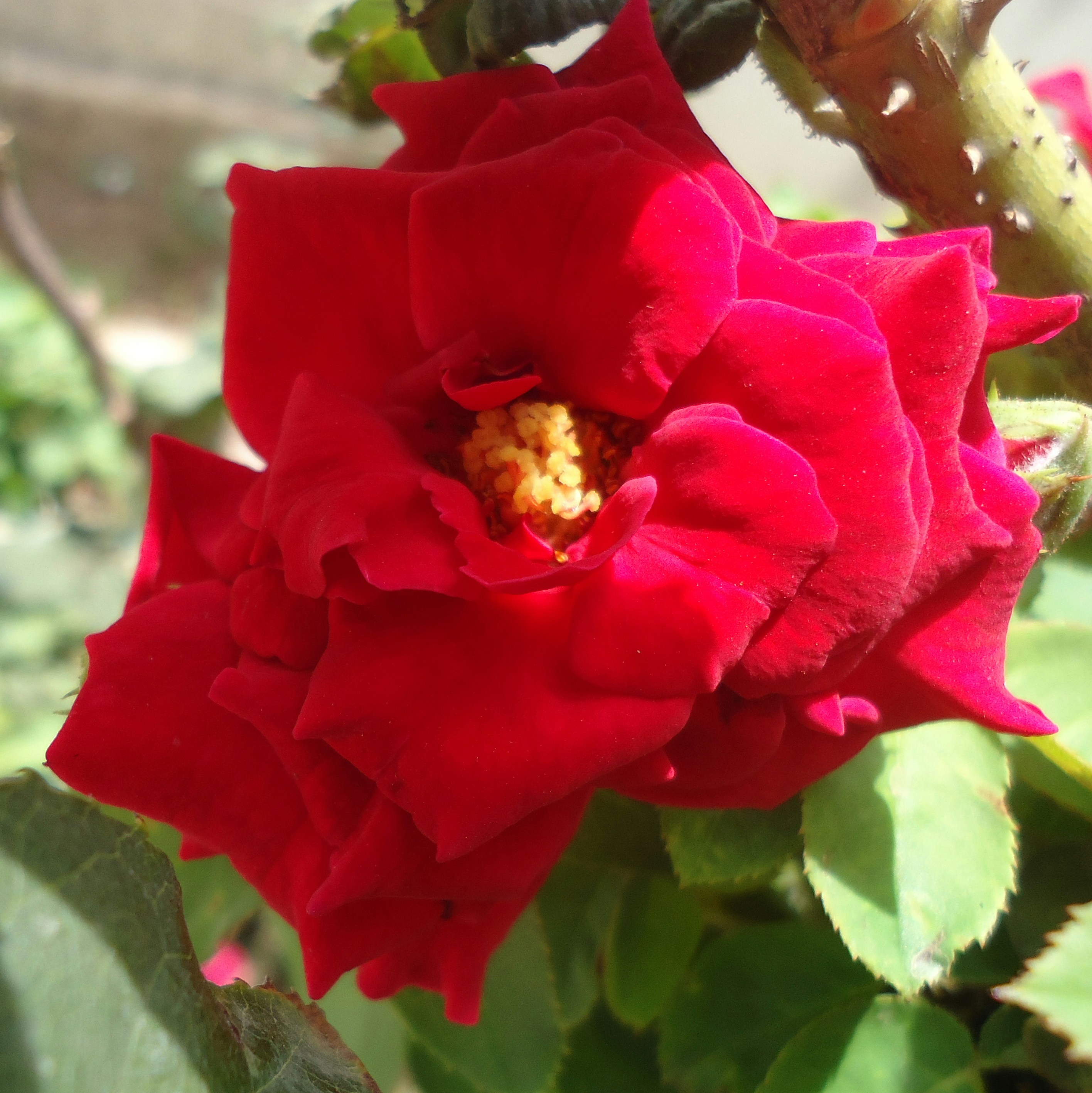
The History and Symbolism of Roses
The rose, a flowering plant belonging to the genus Rosa, boasts a history that stretches back thousands of years, intertwining with various cultures and civilizations. It is widely believed that roses first blossomed in the region of present-day Persia, with evidence of their cultivation dating as far back as 500 BC. Over the centuries, this beautiful flower spread across the globe, becoming a symbol of love, beauty, and passion.
Roses hold a prominent place in ancient mythology and literature, often representing themes of romance and desire. In Greek mythology, the goddess of love, Aphrodite, is frequently associated with roses, which were believed to spring from her tears as she mourned her lover, Adonis. Similarly, in Roman culture, the rose became a symbol of secrecy — the phrase “sub rosa,” meaning “under the rose,” indicated confidentiality and discretion. The association of roses with love was further popularized in the works of poets such as William Shakespeare, who often referenced their beauty and allure.
Throughout history, the rose has also been prominent in art and culture. Many renowned artists have depicted roses in their masterpieces, celebrating the flower’s visual appeal and its connection to human emotions. Additionally, roses have been used symbolically in religious contexts; for instance, the Virgin Mary is often portrayed surrounded by roses, emphasizing her purity and grace. The various colors of roses also carry distinct meanings; red symbolizes passionate love, while white signifies purity and innocence.
In conclusion, the rich history of roses is deeply embedded in human culture, with their symbolism evolving across different eras. This enduring popularity is a testament to the rose’s power as a symbol of love, beauty, and the complex nature of human emotions, ensuring its place in our hearts and minds for generations to come.
Different Varieties of Roses: A Floral Wonderland
Roses are treasured across the globe, and their diversity is one of the reasons for their enduring allure. Among the numerous varieties available, a few stand out for their unique characteristics, making them favorites in gardens and floral arrangements alike.
Hybrid tea roses are among the most popular types, well-known for their classic shape and long-stemmed beauty. These roses are characterized by a single bloom per stem, making them ideal for cut flowers. Hybrid tea varieties flourish in shades ranging from deep reds and vibrant pinks to soft yellows and whites. The fragrance of these roses can vary significantly, but many are renowned for their rich, sweet scent, which adds to their appeal as a gift or centerpiece.
Floribunda roses, on the other hand, are admired for their profusion of blooms. This variety produces clusters of flowers at the tips of the stems, creating a vibrant display. Floribundas typically bloom continuously from spring to fall, making them a prized choice for gardeners seeking colorful landscaping throughout the growing season. Available in a wide array of colors, these roses often have a more subtle fragrance compared to hybrid teas, appealing to those who prefer visual impact over scent.
Lastly, climbing roses add a vertical element to gardens and structures. These varieties are characterized by their long, flexible canes that can be trained to grow on trellises, fences, or walls. Climbing roses can be found in many hybrid tea and floribunda forms, and they often produce many blooms at once, creating a stunning display. Their fragrance and color can vary greatly, providing multiple options for different garden aesthetics.
Choosing the right variety of roses depends on one’s gardening needs and preferences. Whether opting for the elegance of hybrid teas, the charm of floribundas, or the adventurous spirit of climbing roses, one can create a flourishing floral wonderland that adds beauty and fragrance to any outdoor space.
Caring for Roses: Tips for a Thriving Garden
Growing and maintaining healthy roses is a rewarding endeavor that requires attention to detail and a bit of knowledge. One of the first steps in ensuring your roses thrive is to select the right soil. Roses flourish in well-draining, nutrient-rich soil. A pH level between 6.0 and 6.8 is optimal for their growth. To enhance the quality of your garden soil, consider incorporating organic matter such as compost or well-rotted manure, which will improve drainage and provide essential nutrients.
Watering practices are crucial for the well-being of roses. It is important to water deeply but infrequently, allowing the soil to dry out between applications. This encourages the development of deep root systems, making the plants more drought-resistant. Early morning is the best time to water roses, as it minimizes evaporation and gives the leaves a chance to dry before evening, reducing the risk of fungal diseases.
Sunlight plays a pivotal role in the health of rose bushes. Most varieties thrive in full sun, requiring at least six to eight hours of direct sunlight each day. When selecting a location for your roses, choose a spot where they can soak up ample sunlight while ensuring adequate air circulation to deter pests and diseases.
Speaking of pests, keeping your roses pest-free is another vital aspect of rose care. Regular monitoring for aphids, spider mites, and other threats can help you catch infestations early. Employing natural predators such as ladybugs or using insecticidal soaps can effectively manage pest populations without harming beneficial insects.
Lastly, pruning is essential for maintaining the shape and vigor of rose bushes. Regularly removing dead or diseased wood and cutting back overgrown branches encourages new growth and enhances flowering. Timing and technique are crucial; prune during the dormant season, typically late winter to early spring, to prepare your roses for a bountiful bloom season.
Roses in Art and Culture: A Lasting Influence
The rose, a symbol of love and beauty, has held a prominent place in art and culture throughout history. This exquisite flower has inspired artists, poets, and musicians, serving as a muse across centuries and continents. In literature, roses have often been depicted as emblems of deep emotions, notably in the works of William Shakespeare, where they illustrate themes of love and passion. Additionally, the famous line from Robert Burns incorporates the rose to express tender affection in a memorable way, demonstrating its profound influence on poetry.
In visual arts, renowned painters like Claude Monet and Pierre-Auguste Renoir have depicted roses in their landscapes and still-life paintings, capturing the flower’s delicate beauty and vibrant colors. Monet’s “Roses” series exemplifies the flower’s intricacies, showcasing its timeless elegance that continues to captivate audiences. Furthermore, the symbolism of roses extends beyond aesthetic appeal; for centuries, they have represented various emotions in diverse cultures, enriching their artistic interpretations.
The impact of roses is evident in music as well. Composers such as Beethoven and Schumann have incorporated references to roses in their compositions, infusing their music with the graceful essence of this flower. Moreover, modern pop culture continues to embrace the rose, with its appearance in numerous songs and popular media, reinforcing the continuity of its significance. From romantic gestures on Valentine’s Day to its use in fashion and public art installations, the rose remains a powerful symbol, seamlessly weaving into contemporary celebrations and events.
In contemporary society, the rose’s relevance persists across various domains, from weddings to memorial services, symbolizing love, remembrance, and the beauty of nature. Its versatility is apparent, demonstrating that the influence of roses in art and culture is both lasting and ever-evolving, making it a perennial subject for exploration and celebration.