Introduction to Calla Lilies
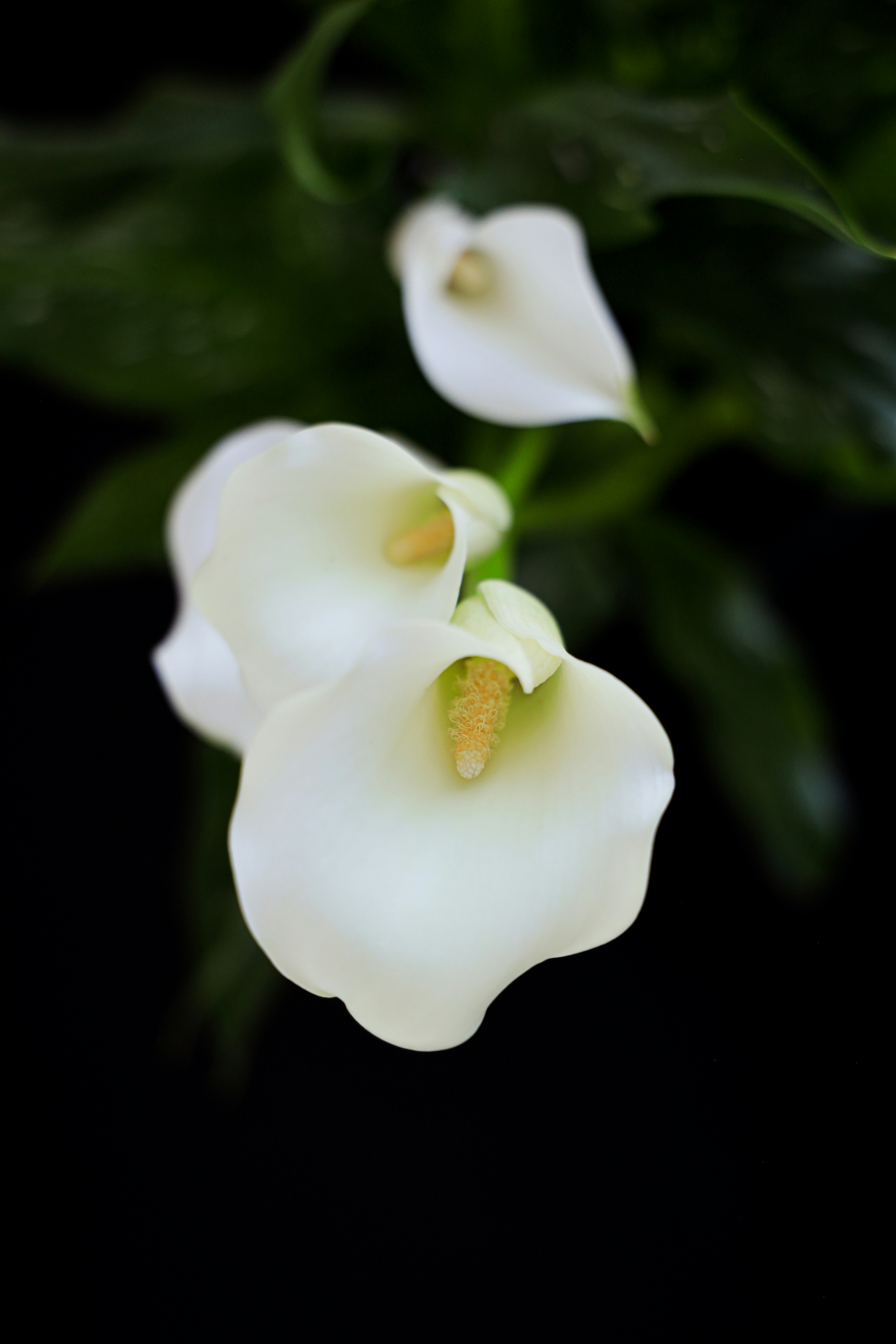
Calla lilies, with their strikingly elegant form and vibrant hues, have captivated flower enthusiasts for generations. These superbly shaped blooms, characterized by their trumpet-like petals, exhibit a unique charm that makes them stand out in any floral arrangement or garden setting. The species is native to southern Africa, yet its allure has transcended borders, earning it a revered place in cultures around the world.
The diversity in color and shape of calla lilies contributes significantly to their popularity. From the classic white and yellow varieties to deep purple and pink shades, these blossoms can suit almost any aesthetic preference. Each color carries its own meaning; for instance, white symbolizes purity and innocence, making them a popular choice for weddings, while bright red signifies passion and love, making them ideal for romantic gestures. This range of colors allows for creative expression in both gardening and floral design.
Moreover, calla lilies are often associated with profound cultural significance. In various traditions, they represent rebirth and resurrection, making them a common choice for memorial arrangements. Beyond their symbolism, these flowers are also known for their resilience, with the ability to thrive in a variety of conditions, including both gardens and indoor settings. This combination of beauty, durability, and cultural relevance has firmly established calla lilies as a beloved choice among botanists, florists, and garden enthusiasts alike.
With their stunning aesthetics and rich meanings, it is no wonder that calla lilies continue to enchant admirers across the globe. Understanding the elegance of these flowers can enhance one’s appreciation and inspire their inclusion in various decorative and ceremonial contexts.
Botanical Characteristics of Calla Lilies
Classified within the family Araceae, the Calla lily belongs to the genus Zantedeschia. This genus comprises several species, with the most recognized being Zantedeschia spp. Calla lilies are often misidentified as true lilies; however, they possess distinct botanical characteristics that set them apart. These elegant flowers are native to the regions of southern Africa, where they thrive in moist, well-drained soils, ideally in habitats close to water sources.
The physical appearance of Calla lilies is one of their most striking features. Their flowers are characterized by a unique trumpet-like shape, which is commonly referred to as a spathe. The spathe surrounds a central spadix, where the actual flowers are located. The colors of Calla lilies range from the classic white to vibrant shades of yellow, pink, and purple, making them a popular choice in floral arrangements and garden displays.
The leaves of Calla lilies are equally noteworthy, displaying a glossy, arrowhead shape with prominent veining. These leaves emerge directly from the rhizome, promoting the plant’s robust growth. Calla lilies generally grow to a height of 2 to 3 feet, depending on the species and environmental conditions. Their growth habit tends to be clumping or spreading, with multiple stems emerging from a single root system.
In their natural habitats, Calla lilies flourish in warm, temperate climates. They require partial to full sunlight and exhibit resilience to various soil types, provided the soil maintains adequate moisture. The ability to adapt to different growing conditions makes Calla lilies a versatile option for both garden enthusiasts and professional florists.
Growing Calla Lilies: Care and Maintenance
Growing Calla lilies can be a rewarding experience, as these elegant flowers add a touch of beauty to any garden. To cultivate them successfully, it is important to understand their care and maintenance needs across various climates.
The ideal soil conditions for Calla lilies involve well-draining, rich soil that retains some moisture yet does not become waterlogged. A mixture of potting soil with added perlite or sand can create a suitable medium for optimal growth. The pH level of the soil should ideally range between 6.0 and 6.8, as this range supports nutrient absorption. Regular soil testing can help maintain this balance.
Sunlight requirements for Calla lilies vary significantly depending on the climate. In cooler regions, these plants thrive when they receive full sun, around 6 to 8 hours of direct sunlight daily. However, in extremely hot climates, partial shade during the hottest parts of the day is advisable to prevent scorched leaves. Proper placement should consider these factors to ensure healthy development.
Watering schedules are crucial; Calla lilies prefer consistently moist soil but are susceptible to root rot if overwatered. During their growing season, typically from spring to early autumn, watering should occur once a week. Reducing irrigation in late autumn allows the plant to enter a period of dormancy. Furthermore, a balanced fertilizer can be applied every four to six weeks during the growing phase to foster strong foliage and bloom production.
It is essential to be vigilant about common pests and diseases such as aphids, spider mites, and fungal infections. Regularly inspecting the foliage for signs of infestations and maintaining good hygiene in the garden can help prevent these issues. Utilizing insecticidal soap or neem oil offers a targeted approach for pest management without jeopardizing plant health.
The Different Varieties of Calla Lilies
Calla lilies, renowned for their distinctive trumpet-shaped blooms, exhibit a diverse range of species and hybrids that offer unique characteristics and colors. Among the most prominent varieties is the ‘Black Magic,’ known for its striking dark hue, which makes it a popular choice for modern gardens and weddings. This variety features deep burgundy petals that appear almost black, creating a dramatic impact in floral arrangements as well as in landscapes.
Another notable variety is ‘Cameo.’ This hybrid presents a stunning peachy-orange color that transition beautifully along the edges, often fading into cream. This versatility makes ‘Cameo’ suitable for both contemporary and traditional settings, providing warmth and vibrancy to the garden. The unique shade of this variety allows it to serve as a charming centerpiece in mixed flower arrangements.
‘Ellie’ is also a favorite among enthusiasts, characterized by its pale yellow blooms that exude a soft and elegant appearance. The gentle coloration of ‘Ellie’ is particularly appealing during spring and summer, as it complements a wide range of other plant species. Furthermore, this variety’s resilience makes it a suitable choice for beginners and seasoned gardeners alike.
When choosing the right variety of calla lilies for your gardening needs, take into consideration the environmental conditions of your planting area, such as sunlight and soil type. It’s important to select a variety that not only fits your aesthetic preferences but can also thrive in your specific climate. Whether you prefer striking dark lilies, warm-toned hybrids, or soft shades, there is a calla lily variety to cater to every floral desire, enhancing the beauty of any garden.
Uses of Calla Lilies in Floral Arrangements
Calla lilies, known for their elegant and striking appearance, serve as versatile elements in various floral arrangements. Their unique trumpet-shaped blooms are not only visually appealing, but they also convey a sense of sophistication that makes them suitable for numerous significant occasions. In weddings, calla lilies are often favored for their graceful form and the rich symbolism they carry, representing purity and magnificent beauty. Couples frequently incorporate them into bridal bouquets, centerpieces, and boutonnieres, enhancing the overall aesthetic of their special day.
Furthermore, calla lilies are highly regarded in funeral arrangements, serving as a poignant tribute to the deceased. Their elongated petals can symbolize devotion and the transition of the soul, making them a respectful choice for casket displays and memorial arrangements. The subtle charm of calla lilies lends a sense of serenity to these somber settings, showcasing their versatility as both celebratory and reverent flowers.
When designing floral arrangements featuring calla lilies, it is essential to consider complementary flowers and greenery. Pairing calla lilies with roses or peonies can create a striking contrast, enhancing the romantic appeal. Additionally, incorporating lush foliage such as fern or eucalyptus can provide a rich backdrop that highlights the natural beauty of the lilies. To maintain balance, distribute the calla lilies evenly throughout the arrangement; this will draw attention to their unique shape while ensuring harmonious composition.
Ultimately, understanding the multifaceted uses of calla lilies can elevate floral designs for various occasions, making them an excellent choice for both celebratory and somber moments. By skillfully pairing them with other elements, florists can create stunning arrangements that leave a lasting impression.
Symbolism and Cultural Significance of Calla Lilies
Calla lilies (Zantedeschia) are not only admired for their striking beauty but are also rich in symbolism across various cultures. These elegant flowers are often associated with purity and refinement due to their pristine, trumpet-shaped blooms. The white varieties of calla lilies, in particular, symbolize innocence and virtue, making them a popular choice for weddings and other ceremonies that celebrate new beginnings.
In Christian symbolism, calla lilies are frequently linked to the Virgin Mary, representing her purity and motherhood. This connection has made them a common feature in religious artworks and ceremonies, where they signify divine beauty and spiritual awakening. Furthermore, in some cultures, calla lilies are also seen as funerary flowers, symbolizing the transition from life to death and the idea of rebirth, emphasizing the cycle of life.
The cultural significance of calla lilies extends beyond religion; they have made their mark in artistic expressions throughout history. Renowned artists such as Georgia O’Keeffe have immortalized calla lilies in their paintings, using the flower to convey themes of beauty, femininity, and strength. Additionally, literature has often employed the calla lily as a metaphor for transformation and resilience, highlighting its role in narratives that explore the human experience.
Across various traditions, the calla lily has also been incorporated into rituals and celebrations. In some cultures, calla lilies represent wealth and prosperity, making them appropriate for festive occasions. Their sophisticated appearance adds an air of elegance to floral arrangements, enhancing the symbolic messages carried within them.
In essence, the symbolism associated with calla lilies encompasses a diversity of meanings that speaks to their cultural richness. Their representation of purity, beauty, and rebirth resonates across various facets of art, literature, and ceremonial practices, solidifying their status as a flower of significant emotional and aesthetic value.
DIY Projects Using Calla Lilies
Calla lilies, known for their elegant shape and vibrant colors, are perfect for various DIY projects, particularly in floral arrangements and home décor. Incorporating these exquisite flowers into your creative endeavors can enhance any space with their natural beauty.
One popular project involves creating a stunning floral centerpiece. To begin, gather the materials needed: a container (such as a glass vase or ceramic pot), floral foam, water, and, of course, fresh calla lilies. Start by cutting the floral foam to fit your container, then soak it in water until fully saturated. Once ready, place the foam inside the container. Begin arranging the calla lilies by cutting the stems at an angle and inserting them into the foam, ensuring they vary in height for aesthetic appeal. Additionally, you may include greenery or filler flowers to add texture and depth to the arrangement.
Another innovative idea is to use calla lilies for decorative wall art. For this, you will need a canvas, floral wire, and a few calla lilies. Cut the stems of the flowers short and then arrange them in a design on the canvas. Use the floral wire to secure the flowers in place, creating a three-dimensional effect. This piece can serve as a stunning focal point in any room, providing an artistic flair that highlights the elegance of calla lilies.
For those who want to extend the life of their arrangements, consider creating a calla lily garden display. This involves planting calla lilies in your garden or balcony. Select a well-draining location with plenty of sunlight. Prepare the soil and plant the bulbs, respecting the recommended depth and spacing. Regular watering and the occasional application of fertilizer will ensure your calla lilies thrive, providing seasonal joy.
Common Mistakes to Avoid When Growing Calla Lilies
When cultivating Calla lilies, gardeners often encounter several common mistakes that can hinder the health and beauty of these elegant flowers. One of the primary errors is overwatering, which can lead to root rot. Calla lilies require well-draining soil to thrive. It is essential to water them adequately but allow the top inch of soil to dry out between waterings. Using pots with drainage holes and ensuring the soil composition includes perlite or sand can help prevent excess moisture accumulation.
Another frequent oversight is neglecting pest control. Calla lilies are susceptible to pests such as aphids and spider mites. Regular inspection of the plants can help detect these issues early. Implementing preventive measures, such as introducing beneficial insects and using insecticidal soap, can effectively manage pest populations without harming the plant.
Planting depth is yet another critical factor to consider when growing Calla lilies. These bulbs should be planted at a depth of approximately two to four inches, depending on the size of the bulb. Planting them too deep can hinder their growth, while shallow planting may expose them to weather extremes and vulnerability. In cooler climates, it is advisable to plant the bulbs in the spring after the last frost, ensuring a warm, conducive environment for development.
Moreover, exposure to direct sunlight is vital for Calla lilies as they flourish best in partial to full sun. Insufficient light can lead to leggy growth and poor flowering. Therefore, planting them in an area that receives adequate light is crucial for robust growth.
By addressing these common pitfalls—overwatering, pest control neglect, incorrect planting depth, and inadequate sunlight—gardeners can ensure their Calla lilies not only survive but also thrive, showcasing the stunning elegance that these flowers are known for.
Conclusion and Final Thoughts on Calla Lilies
Throughout this comprehensive guide on Calla lilies, we have explored their stunning beauty and elegance, making them a favored choice among gardeners and floral enthusiasts alike. The various colors and shapes of Calla lily flowers add a touch of sophistication to any garden or floral arrangement, capable of complementing a range of styles, from modern minimalist to traditional classic. Their unique structure not only serves to enchant onlookers but also offers versatility as both a garden plant and a cut flower.
As we have discussed, nurturing Calla lilies requires an understanding of their environmental needs, including suitable soil, sunlight, and watering practices. With the right care, these plants can thrive and become a focal point in your landscape. Moreover, their alluring charm extends beyond the garden; Calla lilies are a popular choice for floral arrangements, bringing elegance to weddings, celebrations, and home décor.
We encourage you to delve into the world of Calla lilies, whether that be by growing them in your garden or incorporating them into your floral projects. Embracing the beauty of these exquisite flowers can enrich your gardening experience and elevate your design aesthetic. From their graceful appearance to their longevity as cut flowers, Calla lilies are indeed a treasure worth exploring. In summary, the presence of Calla lilies can transform any space, making them a valuable addition to both personal and professional floral design endeavors.
Let the elegance of Calla lilies inspire your gardening journey and creative projects, revealing the timeless allure of these remarkable blooms.